
Travelling is among the great pleasures of life. Who doesn’t want to get away from the hustle and bustle of daily life to explore a new country and culture from time to time? To make sure your adventure goes smoothly, it’s important to make some preparations beforehand.
If you’re planning a trip to a foreign country, you’ll need to make sure you have several important documents with you to avoid any trouble down the road. In this article, we’ll go over the most vital travel documents to keep on hand so that you can enjoy your vacation to the fullest.
1. Travel itinerary
Before setting off on your travels, it’s important to make a list of the places you want to go and when you plan to visit them. This is called a travel itinerary. We suggest keeping a physical and digital copy of your itinerary on hand at all times. A PDF converter can be very helpful when trying to create an itinerary that’s easily accessible, even when you don’t have a reliable internet connection. All you need is to save your PDF itinerary onto all your devices and you’ll be able to keep an eye on your schedule even when travelling through dead zones.
Besides keeping your tour on schedule, a travel itinerary is also sometimes required to enter a country. After you land at the airport, immigration officers or border control might ask to see this document as evidence that you’re genuinely there on holiday and don’t plan to overstay your visa, so having a document pre-prepared can demonstrate your case.
When writing an itinerary, it’s important to be specific with your movements. Besides writing down dates and places, you can also include some information about what you plan to do there and some alternatives in case your first choice is closed on a particular day.
2. Passport
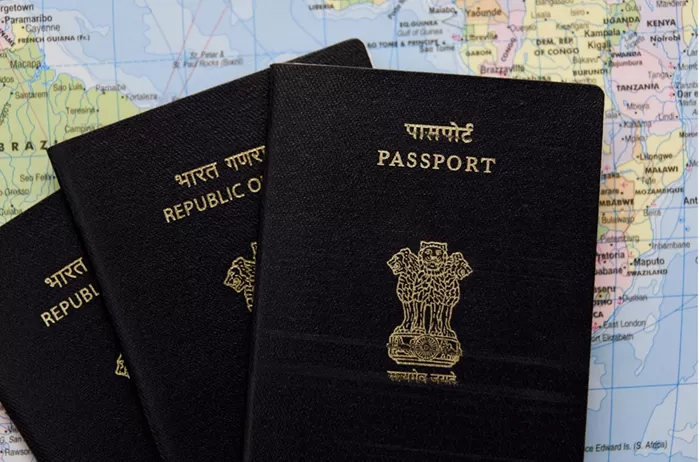
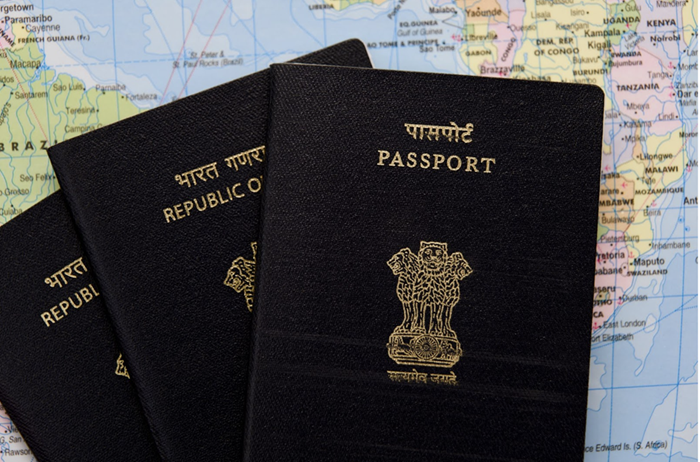
The worst thing that can happen to anybody is losing their passport in a foreign country. Your passport is a document that proves your identity and your status as a citizen in your country. When you enter a new country, the immigration officer at the airport or seaport might stamp your passport or give you a slip of paper to create a record of your travels. Without a passport, it’s highly likely you won’t even be allowed through immigration. And if you lose your passport abroad, you may find yourself stuck at a foreign embassy waiting for your replacement.
You should also make sure your passport is valid before planning any trip. Passports have expiry dates, and planning to travel with an expired (or nearly expired) document is just as bad as going without one. Many countries also require at least a few months of validity before they grant you a visa or allow you through their borders. If you find that your passport is approaching expiration, you can renew it by visiting a Passport Seva Kendra or Regional Passport Office.
3. Visa (if required)
Many countries require Indian nationals to apply for a visa before visiting. In many cases, you need to do this by physically dropping by the embassy of the country you want to travel to. However, more and more embassies are setting up online visa application portals that allow you to apply partially or fully online.
We suggest filing your visa application well in-advance of your trip. Most of the time, foreign consuls take a while to process them, and if you start too late, you may not receive approval in time, which leaves you at risk of missing your trip or having to reschedule your flight, and we all know how expensive that can be.
It’s also important to read the terms of your visa carefully to make sure you don’t break any rules. For instance, a Schengen visa will allow you access to all Schengen member states, some of which are not official EU members. This list does not include the UK, which may surprise some first-time travellers to the region.
By carefully reading the terms of your tourist visa, you can avoid potential legal issues during your travels, which could result in banning you from future entrance into designated countries.
4. Tickets and passes
When travelling, you should make your bookings and reservations as early as possible, especially if the top attractions you’re visiting are extremely popular. Most of the time, you can purchase tickets and passes online by visiting a booking site or the website of the attraction.
Before setting off on your vacation, make sure you have easy access to all the tickets and passes you’ve purchased. After placing your order, you’ll probably receive an email containing digital copies of these documents. Download them on your phone to make sure you can present them at the gate, even if you’re experiencing connectivity issues when you arrive. To be extra safe, you should also print out hard copies of all your entry passes, and try to get an e-SIM when you land.
By securing your tickets and passes early, you can ensure you won’t miss out on the must-do activities or must-see landmarks. Sometimes, you might even be able to make use of ‘early bird’ rates.
Prepare your Travel Documentation for your Next Overseas Getaway
Spending some leisure time in another country is a great way to get away from the stresses of school, work and other aspects of daily life. Vacations are meant to be relaxing, so make all the necessary preparations before you travel so you can enjoy your holiday with total peace of mind.
In this article, we’ve gone over some of the most essential documents you need to bring with you when you’re travelling overseas. Ensure you have all of these documents in your possession before setting off on your adventure, and let the travels commence.