

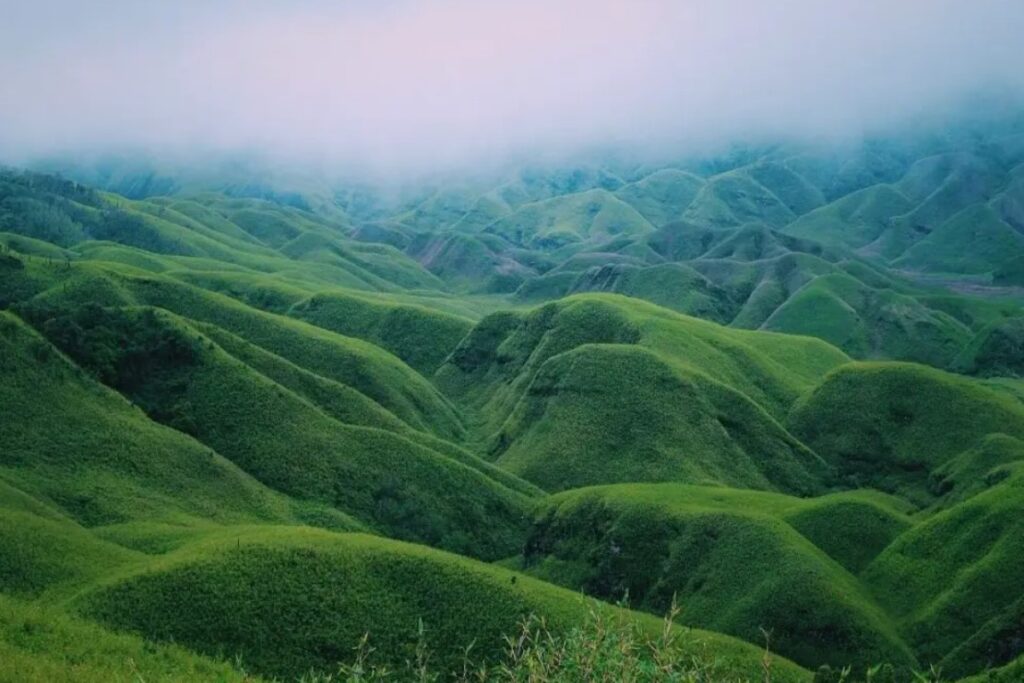
I still remember the first time I heard about Dzukou Valley – friends couldn’t stop raving about this magical place they called the “Valley of Flowers of Northeast India.” When I finally made it there myself, I understood why. This isn’t just another hill station. Dzukou Valley is something special – a place where rolling meadows stretch endlessly under misty skies, and wildflowers paint the landscape in colors I didn’t even know existed.
Located on the border of Nagaland and Manipur, this hidden gem has become my go-to recommendation for anyone seeking an authentic Northeast India experience. Whether you know it as dzukou valley, dzokou valley, or any of the other spellings I’ve seen floating around, one thing’s certain – it’s going to blow your mind.
Quick Facts About Dzukou Valley
| Nearest Railway Station | Dimapur (80 km from Kohima) |
|---|---|
| Distance from Kohima | 25 km to Viswema base camp |
| Trek Distance | 2-3 hours from base camp |
| Best Time to Visit | June to September (flowering season) |
| Entry Fee | Rs. 30 per person |
| Budget Estimate | Rs. 3000-5000 for 2-3 days |
| Altitude | 2,452 meters above sea level |
Getting to Dzukou Valley: My Journey
Here’s what I learned after multiple trips – getting to dzukou valley requires a bit of planning, but it’s totally worth it. You’ll need to reach Dimapur first, then make your way to Kohima, and finally to one of the two base camps.
Reaching Dimapur: Your Gateway
Dimapur is your entry point to this adventure. I’ve tried all three ways to get there:
By Flight: This is my preferred option, especially when traveling from South India. Dimapur airport connects to major cities like Delhi, Kolkata, and Guwahati. The flight saves you days of travel time.
By Train: Trains run regularly from Delhi and other major cities to Dimapur. I actually enjoyed the train journey once – it’s a great way to see the changing landscapes as you head northeast. You can book through the IRCTC website.
By Bus: Honestly, I’d skip this unless you’re already in the Northeast. The distances are massive if you’re coming from far away cities.
Dimapur to Dzukou Valley Base Camps
From Dimapur, you’ll head to Kohima (about 74 km), then continue to either Viswema or Jakhama – your two base camp options. I’ve used both, and here’s my take:
- Viswema: About 25 km from Kohima. The trek from here is slightly longer but more scenic.
- Jakhama: Around 20 km from Kohima. Shorter trek, good for beginners.
Shared taxis run regularly from Kohima to both villages. I usually catch one from the main market area.
The Trek Experience: What Actually Happens
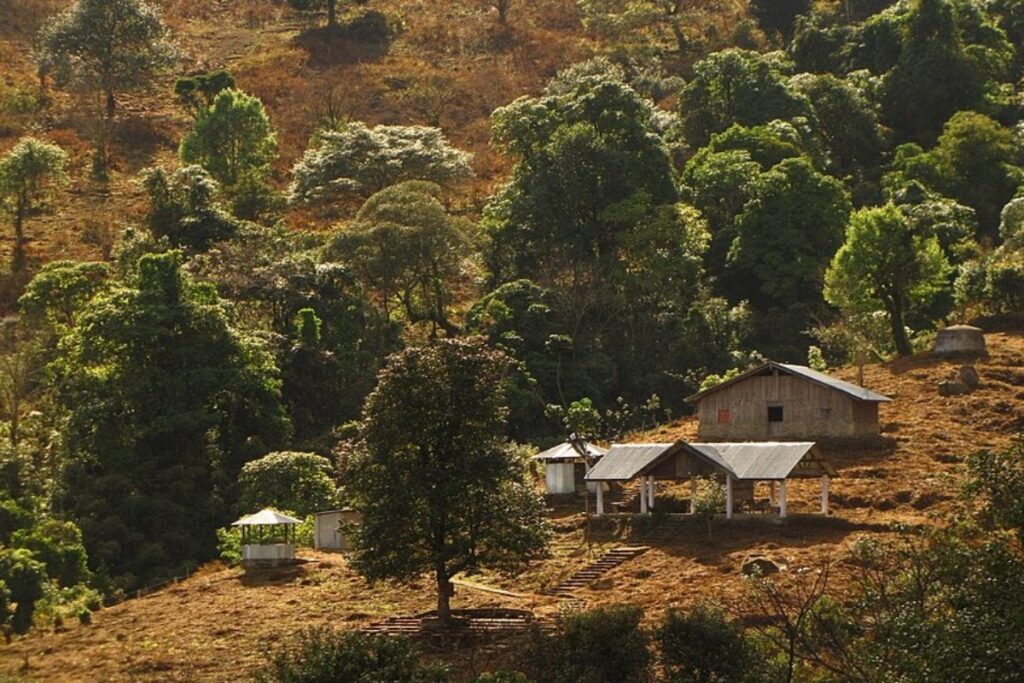
The trek to dzukou valley isn’t technically difficult, but it’s not a walk in the park either. I’d rate it as moderate – doable for most people with basic fitness. The trail winds through rhododendron forests and along gentle streams before opening up into those famous meadows.
What struck me most during my first trek was how the landscape gradually transforms. You start in dense forest, then suddenly emerge into this vast valley that feels like stepping into a different world. The whole trek takes about 2-3 hours from either base camp.
When to Visit Dzukou Valley
I’ve been to dzokou valley in different seasons, and timing makes a huge difference. Here’s what I’ve learned:
Best Time: June to September
This is peak flower season – when the valley truly becomes the “Valley of Flowers of Northeast.” The dzukou valley transforms into a carpet of lilies, rhododendrons, and countless other wildflowers. Yes, it’s monsoon season, so expect some rain, but the beauty is unmatched.
Shoulder Season: April-May and October-November
If you prefer drier weather and fewer crowds, these months work well. The views are clearer, though you’ll miss the spectacular flower bloom. I actually enjoyed my October visit – crisp air and golden grasslands have their own charm.
Things to Do in Dzukou Valley
Camp Under the Stars
Camping in duzuko valley was honestly one of my most memorable experiences. Picture this: your tent pitched on soft meadows, a blanket of stars overhead, and complete silence except for the gentle rustle of grass. I’ve stayed at Pilgrim’s Inn (the local rest house) and also camped with my own tent – both have their perks.
Explore the Dzukou River
The crystal-clear Dzukou River runs through the valley, offering perfect spots for a quick dip (if you can handle the cold water). I usually just sit by the banks, feet in the water, taking in the tranquility.
Wildlife and Bird Watching
The valley is home to some incredible wildlife. I’ve been lucky enough to spot the elusive Blyth’s Tragopan and various other Himalayan birds. If you’re really fortunate, you might even glimpse a Himalayan Black Bear in the distance.
Visit the Shiva Temple
There’s a small Shiva temple in the valley that adds a spiritual dimension to the experience. It’s simple but beautifully situated, and I always make it a point to stop by during my visits.
Day Trip to Jakhama Village
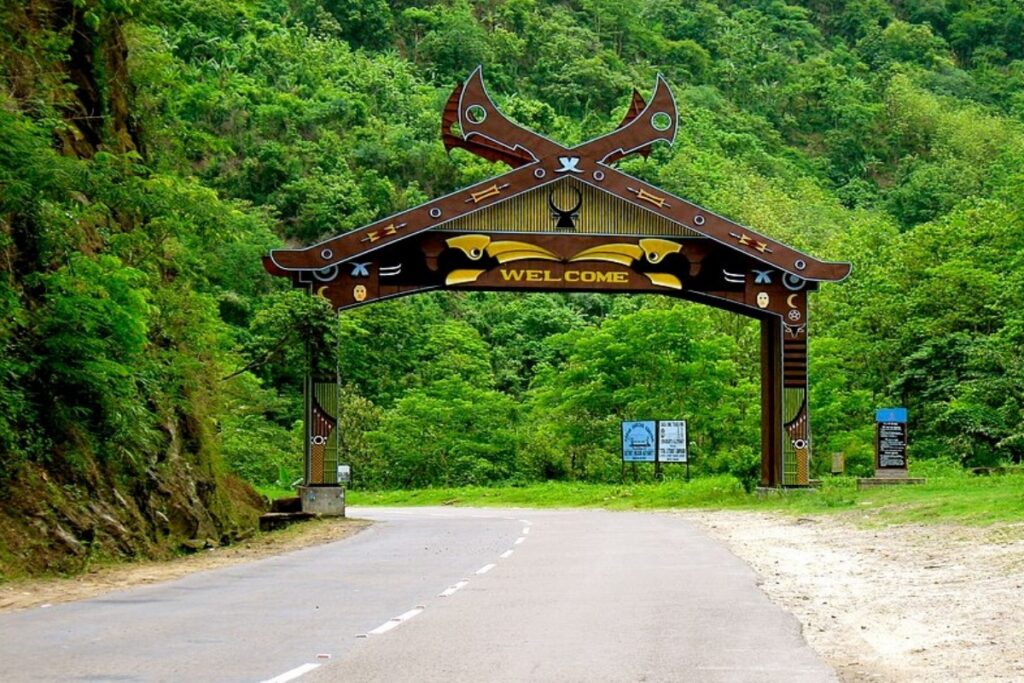
I highly recommend spending some time in Jakhama village if you’re using it as your base camp. The villagers are incredibly welcoming, and you can experience authentic Naga hospitality. Try the local cuisine – it’s unlike anything you’ll taste elsewhere in India.
Where to Stay Near Dzukou Valley
Accommodation options are limited, which is part of the charm. Here are your main choices:
Pilgrim’s Inn (In the Valley)
This is the only proper accommodation inside dzukou valley. Run by the Southern Angami Youth Association, it offers both private VIP rooms and dormitory beds. Don’t expect luxury – there’s no electricity, so bring power banks. But waking up to valley views? Priceless.
Camping
Bring your own tent and camp in the meadows. This is what I prefer – total freedom and closer connection with nature. Just follow Leave No Trace principles.
Stay in Kohima
For those wanting more comfort, Kohima has several good hotels. You can make day trips to the valley, though I’d recommend at least one night in the valley itself.
Food and Dining
Here’s the reality – you won’t find restaurants in dzukou valley. The rest house serves basic meals (rice, dal, vegetables), but I always carry my own food supplies. Energy bars, instant noodles, and plenty of water are essentials.
For proper dining, you’ll need to head back to Kohima. Some places I’ve enjoyed include JAT Restaurant and Yaotsu’s Pure-Veg Restaurant. The restaurant scene in other cities might be more diverse, but Kohima has its own unique flavors.
Essential Tips for Your Dzukou Valley Trip
- Pack light but smart: Weather-appropriate clothing, good trekking shoes, rain gear, flashlight, first-aid kit, and insect repellent.
- Carry enough water: While there are streams, it’s better to be prepared.
- Respect local customs: The valley is sacred to local communities.
- Check weather conditions: Trails can close during heavy rainfall.
- Hire a local guide: They know the terrain and can enhance your experience with local stories.
Planning Your Northeast Adventure
If you’re planning to explore more of Northeast India, dzukou valley pairs beautifully with other destinations. I often recommend combining it with Arunachal Pradesh for a complete Northeast experience. You could also check out my guide to planning an Arunachal Pradesh trip for more ideas.
The logistics might seem daunting compared to more accessible destinations like Kasauli, but that’s exactly what makes places like dzokou valley so special – they remain unspoiled precisely because they’re not easy to reach.
Frequently Asked Questions
What is the distance from Dimapur to Dzukou Valley?
The total distance from Dimapur to Dzukou Valley is approximately 100 km. You’ll travel 74 km from Dimapur to Kohima, then another 20-25 km to the base camps (Viswema or Jakhama), followed by a 2-3 hour trek to reach the valley.
When is the best time to visit Dzukou Valley?
The best time to visit dzukou valley is between June and September when the wildflowers are in full bloom. This is when you’ll see the valley at its most spectacular, though you should be prepared for monsoon rains. For drier weather, visit between April-May or October-November.
Is Dzukou Valley safe for solo travelers?
Yes, dzukou valley is generally safe for solo travelers. The local people are welcoming and helpful. However, I’d recommend hiring a local guide, especially if you’re trekking alone. The trails can be confusing in misty weather.
How much does a trip to Dzukou Valley cost?
A basic 2-3 day trip to dzukou valley costs around Rs. 3,000-5,000 per person, including transport from Kohima, accommodation, food, and guide fees. This doesn’t include your travel to Dimapur. The entry fee is Rs. 30 per person.
Can I visit Dzukou Valley in winter?
Yes, you can visit dzokou valley in winter (October to March), but be prepared for cold weather and limited flowering. The landscape has a different beauty in winter – misty and serene. Just pack warm clothing and check if the trails are open, as heavy fog sometimes restricts access.
My Final Thoughts
Dzukou valley isn’t just another tick on your travel bucket list – it’s an experience that stays with you. Every time I return, I discover something new: a hidden stream, a flower I hadn’t noticed before, or simply a different perspective on those endless meadows.
Yes, it requires effort to reach. Yes, the facilities are basic. But that’s exactly what makes it magical. In our Instagram-obsessed world, places like dzukou valley remind us why we actually travel – not just for photos, but for those quiet moments when nature overwhelms all your senses.
Pack your bags, lace up those trekking shoes, and get ready for one of Northeast India’s most beautiful secrets. Trust me, the valley of flowers is waiting for you.