India
It’s 9 in the morning, I struggle to leave my bed. Last night, I had finally opened the Glenfiddich bottle.
I rub my eyes and peep out of the window crack. Everything is hazy. An illustrious thunder finally brings me to senses! I listen to the rattling and loud voice of rain, ferociously hitting the South Bombay roads. I gather courage to fling the windows open to have a look at the rain’s intensity. Yes, we didn’t have a balcony. The flats with balcony in SoBo were too costly for bachelors, who had just started earning.
I realize that the rains were of immense intensity! The rush hour was still on! Navigating their umbrellas through popping heads, Mumbaikars were still scrambling their way through. I shift focus and start staring at the drops, dripping from the lush green tree, next to my building. Sweet nature!
It took 5 minutes for the realization to kick in that I had to go to office today! Well, I kept on contemplating whether to go to office or not. It was middle of the month and I hadn’t called sick for a long time now! A piping hot cup of coffee and a work free day would make an amazing combination with the rains, I thought.
I steam my coffee, scramble some eggs and switch on the TV. With upbeat songs playing on VH1, I start my lazy day off, I was calling in sick today.
As I settle comfortably and place my legs on the table resting between TV and couch, the rain intensifies. The coffee mug and plate of scrambled rains rest on the table, waiting me to start my long breakfast. I increase the TV volume to overcome the rattle of raindrops falling on aluminium roofs of the adjoining slums.
I finish my eggs and place the empty plate next to the couch, on the ground. Suddenly my phone starts beeping. “Umang, you are late!” my boss yelled! ”Damn” , I thought. There’s a regional sales meeting today where I would toss some figures in the air which no one would care to catch!
“Sir, rains! I’m stuck in traffic” I had head on my shoulders. “Why can’t I hear traffic?” my boss also had one. “The phone is in my Helmet sir!” Woah, that was close! “Come soon, people are waiting!”. He slams the phone shut.
I jump off the couch, bump my right foot in the empty plate in which some egg was still there! Yuck! I hoped my way to the bathroom where my flatmate was whistling while taking a shower. I started banging ferociously to which his whistling stopped. A couple of more knocks and he said “Kya hai?” (What?). “Jaldi kar!” (Make it quick!).
He unwilling cut his shower short and I rushed in hurriedly. In 7 minutes, I was ready! I take a glance out of the window and the rain was still pouring incessantly. My bike was useless today. I catch hold of my umbrella, which I had borrowed from an office colleague yesterday and run towards the main road to hail a taxi.
Luckily, I find a taxi standing right on the main road. I knock on the window and give him my office address. He refuses. Why! God, Why!? You seemingly give a drowning man plank and he discovers it to be metal!? That is just brutally cruel!
Check out my post on 6 Best Beaches Near Mumbai.
Well, I was late already! So, I just stand there, under a shop’s roof, waiting for another taxi. I shake droplets off my formal shoes and check my shirt for creases with one hand as the other hand tries to stop some taxis. The droplets were falling on my umbrella from edge of the shop shutter under which I stood. I sneeze suddenly, causing inconvenience to the other 15 people standing under the same shop shutter.
Finally, a God sent angel stopped in front of me. A taxi driver wanted to take me to my office! Tears of joy rolled out of my eyes! I was in the taxi and now there was nothing that can be done to reach office as soon as possible. So, instead of worrying about facing my boss, I stared at the taxi window and at the skyscrapers through it.
The top floors of these posh buildings were hidden in the dark clouds. The slums dwellers, under some of these buildings, were trying to keep water out of their home. Some 20 people stood under a shop shutter, watching today’s cricket game on the tiny TV in the shop. The shopkeeper didn’t mind the crowd, he was actually chatting with everybody, passing judgement on cricketers every now and then! The trains were not working today, leading to heavy increase in traffic. The sky was like a canvas painted by a furious artist, venting his angry emotions out through art. Maybe he stays in Kandivali and his office is in Mahalaxmi.
“Aa gaya Sir (We reached Sir)” My taxi driver startled me. I quickly paid him Rs 20 and he returned Rs 2. I rushed towards the lift in my office building. There were people waiting for lift. Well, most of the people were late. I recognized a sales guy from my team. “Arre? Meeting shuru nahi hui? (Has the meeting not started?)” I asked curiously. “Koi aaya hi nahi hai ab tak! (No one has come yet!)”he replied. I started wondering why did my Boss call me urgently.
I reached my floor and rushed to the cafeteria to grab my morning coffee. I needed it the most today! My boss was sipping coffee while admiring the Mumbai skyline through large glass panes from our 13th floor. I went to him and started apologizing for being late. He replied “Koi baat nahi, I just told you that you are late. When did I say that the meeting had started?”. He laughed and I also threw in a pretentious chuckle. He was just getting bored and thought to have some fun by freaking me out! Well, a good man that he was, he later bought me lunch 🙂
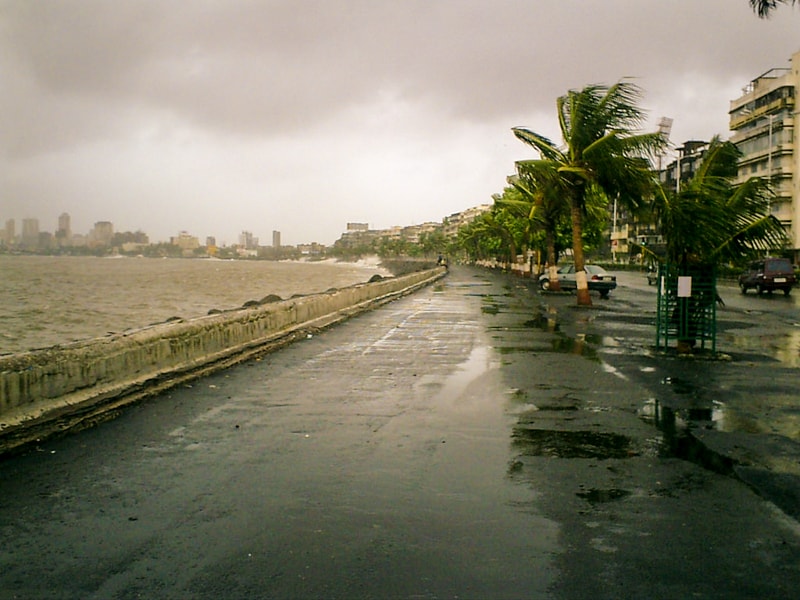
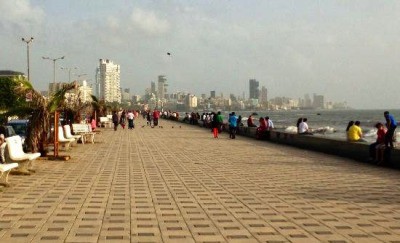
That evening, I went to Marine Drive. The heavy rain had transformed in pleasant drizzle. The mighty waves of the ocean had turned into pristine & gentle currents in a swaying sea. I just sat there, with my legs hanging freely and cool waft of wind in my hair, staring at the Mumbai skyline and the vast, vast ocean.
As I write this, I am sitting in Bangalore, admiring this amazing weather. But, I miss Mumbai rains. I miss seeing the dark clouds covering most of the tall buildings. I miss observing the droplets, racing down the taxi window. I miss the helpful people, who empathize with your pain of traversing through rains. I miss the honesty of taxi drivers who always have change. I miss the splashing waves at Marine drive during rains. But, something which I miss the most, is the evening Sun, which gently slides below the horizon, hides under the sea and indicates the city skyline to illuminate brilliantly.
Well, that’s Mumbai for you and that’s why Mumbai rains are special! Life doesn’t stop and spirit doesn’t break because of rains in Mumbai 🙂
This is one chapter from my nostalgic diaries!
Featured image credit – Flickr
Also Read My Post on 100 Places to visit near Mumbai and Top 5 Water Parks in and near Mumbai.
A major boon to the cryptocurrency and web 3.0 communities may have been provided by Dubai, which is already a famous tourist destination for these communities. The city passed its first ordinance aimed at regulating the operations of cryptocurrencies and digital assets such as non-fungible tokens, among other things (NFTs).
The Emirate of Dubai is attempting to establish itself as a world leader in the field of emerging technologies such as bitcoin and distributed ledger technology (blockchain).
The Dubai Virtual Assets Regulatory Authority, which will collaborate with all connected entities to enhance security and transparency for cryptocurrency investors, has been established in the emirate of Dubai, within the United Arab Emirates (UAE).
To Become a Hub for Web 3.0, Dubai Adopts Crypto Law
The Emirate of Dubai has passed its first cryptocurrency law and established a regulatory agency to oversee virtual currencies. This is in response to the emirate’s efforts to establish itself as a world leader in emerging technologies like bitcoin and distributed ledger technology.
The Dubai Virtual Assets Regulatory Authority, which will collaborate with all connected entities to enhance security and transparency for cryptocurrency investors, has been established in the emirate of Dubai, within the United Arab Emirates (UAE).
His Highness Sheikh Mohammed bin Rashid Al Maktoum, Ruler of the Emirate of Dubai, and His Highness Sheikh Mohammed bin Rashid Al Maktoum, Vice President, Prime Minister, and Minister of Defence of the United Arab Emirates made the announcement.
The United Arab Emirates is a federation of seven emirates, with Dubai serving as the area’s financial powerhouse. As regional economic competition intensifies, Dubai has pushed for the establishment of virtual asset regulation in order to attract new forms of industries to the region.
The new law will be beneficial to even tourists who are entering Dubai on a UAE tourist visa as they can pay using the digital currency. If you are in Dubai and want to know more about it but your visa is almost due then check out UAE Tourist Visa Extension options to stick around and know about this new law.
According to a statement carried by official media, the Dubai Virtual Asset Regulation Law aims to develop Dubai and the United Arab Emirates as regional and global destinations for the virtual asset market.
Crypto law
According to expectations, the rule would be implemented throughout the emirate with the exception of the Dubai International Financial Centre (DIFC), which operates as a special economic zone and falls under the jurisdiction of the Dubai Financial Services Authority (DFSA).
The Dubai Financial Services Authority (DFSA) has said that it will be developing its own guidelines for the regulation of cryptocurrencies in the DIFC in the near future.
In a similar vein, the Securities and Commodities Authority (SCA), the UAE’s securities regulator, has indicated that it is developing its own regulatory framework for cryptocurrencies, which it expects to publish in the near future.
With the law now in effect, it effectively establishes a legal mandate for the sale and trade of cryptocurrencies such as Bitcoin in Dubai, in contrast to the policies of many countries such as China, which are opposed to such activities.
What are Dubai’s Plans?
As part of the new law, the UAE intends to establish a Dubai Virtual Assets Regulatory Authority (VARA), which would be responsible for overseeing and regulating these types of assets.
It is also expected to function as an independent authority under the Dubai World Trade Centre Authority, which will be in charge of overseeing the regulation, governance, and licensing of cryptocurrencies, non-financial tokens, and other virtual assets, among other responsibilities.
A number of key functions of the VARA include overseeing and controlling the trading of virtual assets, as well as ensuring that high standards of protection are in place, as well as monitoring transactions.
The VARA is also responsible for the transfer of virtual assets, the provision of management services, the provision of exchange services, the operation of virtual asset platforms and the provision of virtual asset custody.
Virtual Assets Regulatory Authority Roles
The law on virtual assets has been established, and the Dubai Virtual Asset Regulatory Authority will be in charge of overseeing and implementing it (VARA).
It is planned that, under the supervision of the VARA, the following methods will be used to achieve virtual asset regulation in Dubai:
• VARA would be established solely for the purpose of regulating cryptocurrency activities and related service providers.
• VARA would be tasked with the oversight of the trading and issuance of virtual assets and virtual tokens, among other responsibilities. Additionally, the organization will be in charge of approving and regulating virtual asset service providers (VASPs).
•The regulatory authority is responsible for ensuring that the personal data of beneficiaries is protected to the highest possible level.
• It must also keep track of virtual asset transactions in order to prevent price manipulation from occurring.
• Crypto trading platforms that facilitate the exchange of cryptocurrencies for fiat currencies as well as between one or more cryptocurrencies would be subject to VARA’s authorization and regulation.
• The companies that provide cryptocurrency transfer, custody, and management services would also fall under the ambit of the new law and would be subject to its regulations.
• Aside from the state-owned financial free zone, Dubai International Financial Center, the new law will be applicable throughout the entire city of Dubai (DIFC).
• The DIFC’s financial services regulator, the Dubai Financial Services Authority (DFSA), is developing its own cryptocurrency rules. It will be the single authority in the UAE mainland for licensing, supervising, and managing virtual assets activities and services issued for investment purposes.
• This will not include virtual assets that are used to make payments to other individuals or businesses in the UAE.
Dubai has been gaining ground with the crypto community
Many members of the web3 community have already expressed their preference for the country. The Dubai Media Office announced in December of last year that the Dubai World Trade Center will be designated as a crypto zone, from which all enterprises engaged in the trading of cryptocurrencies and virtual assets would be able to operate.
It was announced at the time that the city will create “rigorous rules” for investment safety and to prevent money laundering through a statement from its media office.
In conclusion, it is crucial to note that this law, which will be in effect from the date of its publication in the Official Gazette, establishes the responsibilities of the Virtual Asset Regulatory Authority (VARA), which includes the regulation, supervision, and control of virtual asset services.
It also specifies that the authority is tasked with organizing and establishing the rules and controls that govern the conduct of virtual asset activities, such as management services, clearing and settlement services, as well as classifying and specifying the types of virtual assets that may be traded.
According to the law, it is unlawful for any individual in the emirate to engage in activities without first obtaining authorization from VARA, and anyone intending to engage in virtual asset activities must first establish a physical presence in Dubai in order to conduct business.
Author Bio:
Robeena Brown
Travel blogger & destination expert living in UAE and works for local tourism companies like Arabiers. If you have been looking forward to touring Dubai, getting a visa, extending stays and exploring the city you can follow her on social media.
One of the most under-rated tourist destinations of India, Karnataka boasts of long, pristine beaches, cloud-enveloped hills, dense and deep forests, breathtaking palaces, history-steeped heritage sites, sacred temples and churches, as well as urban metropolitan humdrum. It is indeed a difficult, almost impossible task, to come up with a Karnataka itinerary to tour the myriad sites of the state in seven days and not go away feeling like you still have so much left to explore.
Each site is remarkably different from the other and at the end of it all, you are left wondering if it was seriously just one single state that you had covered. Such, of course, is the charm and allure of a Karnataka trip!
Keeping in mind the hustle-bustle of our regular routines, we have curated just for you an ideal 7-Day Karnataka tour that will take you to the key sites of the state.
Karnataka Itinerary Snapshot:
Day 0 – Arrival in Bengaluru
Day 1 – Local Sightseeing in Bengaluru
Day 2 – Drive to Coorg via Mysore & Kushalnagar
Day 3 – Relax in Coorg + Local Sightseeing
Day 4 – Local Sightseeing in Coorg
Day 5 – Drive to Udupi via Mangalore
Day 6 – Relax in Udupi + Local Sightseeing
Day 7 – Drive to Gokarna
Day 8 – Relax in Gokarna + Local Sightseeing
Day 9 – Drive back to Bangalore, break journey at Shivamogga
Day 10 – Visit Jog Falls + Reach Bangalore
Planning your Karnataka tour
How to reach Bangalore?
Kempegowda International Airport or the city railway station would be your arrival points in the city depending on your mode of travel. If you are travelling from any of the surrounding states, ample number of daily buses are available to reach Bangalore.
What are the most popular tourist destinations in Karnataka?
The geographical diversity of Karnataka is perhaps unparalleled. Some most-visited places are:
Bangalore- Not just the silicon valley of India, it has a rich history to boast of.
Mysuru- One of the cleanest cities in India, Mysore has much more than its famous Palace.
Hampi- The history buff’s paradise, the ruins of Hampi are a marvel to behold. Here, my post on 5-day Hampi itinerary might help you if you can spend 5 days here.
Gokarna- Swimming in the sea, seafood in the shack, strolling on the shores. Need we say more?
Coorg- Kushalnagar- Drench yourself in the heady aroma of the coffee plantations and cascading waterfalls of the Western Ghats.
Chikmagalur- Another hill station to soothe your tired soul.
Mangalore- For pristine beaches and mouth-watering cuisine.
Udupi- Vasco da Gama set his foot here to enter India.
Bandipur and Nagarhole National Park- For the thrill of a jungle safari.
Badami Caves– Fascinating rock-cut cave temples
Hassan and Shravanabelagola– Temples, ruins and a massive monolithic statue of Baahubali.
Also Read: 7-Day Meghalaya Itinerary
Is Karnataka safe for solo travelling?
Karnataka is undoubtedly safe for solo travel with all tourist destinations being well-connected by roads and having multiple options of public transport. And you know learning Kannada, the local language, can make you feel more at home.
What is the best season to go on a Karnataka trip?
Bangalore is blessed with moderate climate throughout the year and the hill stations are definitely a joy in the summer months. The other towns, beaches and forests, however, can get rather hot and humid in summer and hence, October- March would be the ideal time to travel across the state. There are plenty of hotels and homestays available in all the tourist spots and cater to travellers of all budgets.
Is the trip to Karnataka affordable for budget and backpacking travels?
Karnataka offers a wide range of facilities to suit every pocket. From luxury suites to humble homestays, you can opt for what fits your need.
Is Karnataka a suitable choice for young travellers and senior citizens?
Absolutely! You will be travelling to and from sites in cars or buses and you can skip the treks. Carrying enough water on your visits to heritage sites should be enough to comfort your family.
Details of your 10-day Karnataka Itinerary
Day 1 & 2 – Arrival and Sightseeing in Bangalore

goibibo
Bangalore is the largest and capital city of Karnataka. Well-connected by flights and trains from most cities of India, Bangalore boasts of an amalgamation of palaces, national parks, museums and pubs to kick start your Karnataka Vacation.

holidify
Try reaching Bangalore the night before or early in the morning so that you can make the most of your day. Head straight to the Bangalore Palace and let your eyes soak in the multiple hues of this European-style architecture. With intricate carvings and splendid decor, the palace will give you a glimpse into the past of this busy, urban technological hub.

goibibo
Visit the Iskcon temple in Rajajinagar next and the Tipu Sultan Summer Palace thereafter. Both of these architectural marvels adorn the skyline of the city and draw many tourists to their doorsteps.

swarajyamag
Your next stop should be Lalbagh Botanical Garden to see its lush and luxurious gardens.

LOOKERALA
The highlight of your day will be the Banerghatta National Park, but don’t forget to take a small detour to the Bull Temple on your way. The animal safari at Banerghatta will be a memorable experience as you wander in a caged vehicle through the carefully constructed sanctuary and see tiger, lions, elephants, bears and other species in their almost-natural habitat. Take some time to go to the butterfly museum next door.

youtube
Drive down from Banerghatta to the Pyramid Valley in Kanakapura on the outskirts of the city. Catch the sunset here- the view is breathtaking! It is a meditation centre built amidst a sprawling landscape and will end your trip to Bangalore on a calming note. The centre closes at 6 p.m., so check if you have enough time on your hand.
Spend the last part of your evening shopping in the M.G. Road- Commercial Street area or chilling in one of the pubs in Koramangala or Indiranagar before resting for the night. Also, try to visit the Karnataka Chitrakala Parishath and the Big Banyan Tree in Uttarahalli, Hobli.
In case you miss out on any of these on Day 1, you could always visit them on the day you depart from Bangalore.
Day 3,4 & 5 – Mysore, Kushalnagar, Coorg

holidify
Mysuru is a 3-hour drive away from Bangalore. Outstation cabs, buses as well as trains are available. It’s advised to leave early to make the most of your second day of Karnataka tour. Your first stop must be the Mysore Palace, which is the former abode of the Royal family of the Wadiyars and is an exquisite blend of Indian, Islamic and European architectural traditions. The beauty of the palace gardens and the elegance and splendour of the palace itself will leave you quite dumbfounded.

onceinalifetimejourney
The Tipu Sultan fort and Ranganathaswamy Temple in the town of Srirangapatna are outside the city borders but the drive is worth it. The Somanathapura Temple, St. Philomena’s Church, Lalitha Mahal Palace, and Karanji Lake are a few of the suggested spots to visit.

traveltriangle
Also, the Folklore Museum, Railway Museum, Bonsai Garden, and Balmuri Falls are some of the most-visited places in the city of Mysore.

mandya
You can also visit the Chamundi Hills for an elevated view of the surroundings. Enter the Vrindavan gardens in the evening and see the light and sound show which happens around 7 p.m. It will be a relaxing end to an otherwise fulfilling day in the marvelous city of Mysore.
My post on 5-day Mysore itinerary might help you.
Also Read: 4-Day Goa Itinerary

vicinito
A 3-hour ride from Hassan will transport you from the magical ruins of history to the majestic hills of the Kodagu district, also known as Coorg.

wikidata
The must-visit places list is quite dense here: the coffee estates, the Abbey Falls, Talacauvery (a sacred site believed to be the source of river Cauvery), Nagarhole National Park (chances of actual animal sightings are rare though), Honnamana Kere Lake and the Raja’s seat (a garden with splendid sunset views).

thrillophilia
The adventurous can get into White River Rafting in Barapole River. Give yourself a mesmerising treat by visiting the Buddhist Namdroling Monastery in the nearby town of Kushalnagar. Since it’s a Tibetan settlement, missing out on the momos would surely be a mistake!

coorgtourism
Visit the Dubare Elephant Camp here for an offbeat experience of bathing the gentle tuskers.

eventshigh
If you seek some outdoors activity, trek to Tadiandamol Peak, the third highest mountain in Karnataka and be enamoured by the stupendous views around; but you will need at least 5 hours to complete this journey.

coorghomestays
Coorg is sprinkled with many quaint homestays and you should try one of them instead of the regular hotels. Don’t forget to sip into the various flavoured teas outside the plantations. Carry home the freshly plucked spices. The homemade wines and chocolates available at the many shops are a must-have too!
Day 6,7 – Mangalore – Udupi

tripoto
From the soaring hills of the Western Ghats, plummet straight down to the Arabian Sea to the port town of Mangalore. The Panambur, Someshwara and Tannirbhavi beaches are the most popular.

newskarnataka
Temples to see: Kudroli Gokarnath temple, Kadri Manjunatha Temple, Kateel Durgaparameshwari Temple, Shri Sharavu Mahaganapathi Temple, Polali Rajarajeshwari Temple, Saavira Kambada Basadi (a Jain Temple). Of course, you can plan to visit as many of them based on your convenience.
Churches to see: St. Aloysius, Rosario Cathedral, Milagres Church.

deccanherald
Udupi is about 1 hour 30 minutes drive away from Mangalore and is the origin of the famed Udupi cuisine. Visit the St. Mary’s island where Vasco Da Gama is believed to have entered India.

holidify
Also on your list should be the Kaup Beach, Malpe Beach, Kudlu falls, the Anejhari Butterfly camp and Pajaka Kshetra, the birthplace of Sri Madhavacharya. There are several temples to see in this town as well, specially the Sri Krishna Matha.
While in Mangalore, try the special dishes of Mangalorean cuisine- Neer dosa and ghee roast mutton (or chicken).
Day 8,9 – Gokarna

karnatakatourism
Continuing on the trail of the Arabian Sea, reach the calm and tranquil waters of Gokarna.

travel.siliconindia
The beaches are clean, mostly populated by foreigners and the beachside shacks have some to-die-for seafood. Pomfret Prawn Masala, Kingfish along with some other delicacies are a must-try. Also, read my post on 25 things to do in Gokarna.

getbeyondlimits
Namaste Cafe on Om beach is the most famous one. Trek to Kudle beach from Om beach and enjoy some water sports as well. You could also trek to Yaana, known for its unique rock formations.
Day 10 – Drive to Bangalore, break journey at Shivmogga
If you are driving, you need to head back to Bangalore for sure. But, if you are open to flying back after the trip concludes, you can consider exiting from Dabolim Airport, Goa after Gokarna. It’s just 140 KMs away from Gokarna.
If you are driving, consider taking a break at Shivmogga for night halt. It is exactly in between. You can visit the Jog falls while you are at it.
Now, you know how to spend 10 days in Karnataka. But, for some people 10 days are long. They cannot get off from their work for 10 days. Rather, they can spend 3 days. Are you one such person wondering how to spend 3 days in Karnataka? If so, you should know about tourist places in Karnataka for 3 days.
Tourist Places in Karnataka for 3 days
Day 1: Mysore’s Regal Embrace
Start your journey in Mysore, the “City of Palaces.” Step into the opulent Amba Vilas Palace, a dazzling blend of Indo-Saracenic architecture, where sunlight dances on stained glass and gold leaf whispers the tales of maharajas. Next, stroll through the fragrant Lalbagh Botanical Garden, a paradise of flowering trees and cascading fountains. As dusk paints the sky, witness the mesmerizing illumination of Mysore Palace, a fairytale come alive in a million twinkling lights.
Not only for spending three days in Karnataka but also if you are looking for one day tourist places in Karnataka, you can choose Mysore. The traditional city has a lot of things to explore. As discussed in this post above, you can explore places like:
- Chamundi Hills
- Mysore Palace
- Balmuri Falls
- Mysore Zoo
- Railway Museum
- Folklore Museum
- Ranganathittu Bird Sanctuary
You can explore whatever possible during your one-day Karnataka trip. Coming back to your interest for tourist places in Karnataka for 3 days, you can head to Coorg. You can reach Coorg from Mysuru within around three hours drive. The distance between Mysuru and Coorg is around 118 km.
Day 2: The Enchanting Western Ghats
Rise to the misty embrace of Coorg, the “Scotland of India.” Breathe in the crisp mountain air as you drive through rolling hills draped in coffee plantations. Hike to Abbey Falls, where cascading water whispers secrets to the ancient ruins, or visit Talakaveri, the birthplace of the mighty Cauvery River. In Madikeri, explore the Raja’s Seat, a scenic viewpoint offering breathtaking panoramas, before savoring Coorgi cuisine, a burst of flavors with a hint of coffee.
After completing your exploration in Coorg on day 2, you can continue your Karnataka tour by driving towards Mangalore. You can reach Mangalore from Coorg within around three-and-half hours:
Day 3: Coastal Karnataka’s Allure
Head to Mangalore, where the Arabian Sea washes away all your worries. Stroll along the golden sands of Panambur Beach, feel the rhythmic thrum of the waves under your feet. Immerse yourself in the rich history of Kadri Mandir, a Hindu temple adorned with intricate carvings. At Kudroli Temple, marvel at the “Jain Disneyland,” a vibrant complex of temples and gardens showcasing architectural finesse. End your trip with a sunset cruise on the Netravathi River, watching the sky dance in hues of orange and gold as you bid farewell to the magic of Karnataka.
Karnataka’s treasures are endless, and even 3 days offer a glimpse of its captivating spirit. So, pack your bags, open your heart, and let Karnataka unfold its magic as you embark on an unforgettable adventure!
When talking about Karnataka Trip, many people wish to explore the capital city of Bangalore. If you can spend a day or two in Bangalore during your Karnataka Trip, you should visit Bangalore. Indeed, Bangalore is part of our 10-day Karnataka itinerary. However, if you would love to learn about one day tourist places in Karnataka, Bangalore is the best city to choose.
Places to Explore in Bangalore in One Day
As you are looking for Bangalore tour itinerary in one day, you can plan your visits to the following places:
Morning
Start early in the morning in this Karnataka itinerary and start your exploration at Cubbon Park. After visiting this park, finish your breakfast in one of the nearby restaurants. Thereafter, you can head to Vidhana Soudha. You can complete your morning breakfast at Mavalli Tiffin Room. Here, you can enjoy traditional south Indian breakfast. The idlis, dosas and filter coffee will help you get the best start.
Midday
After breakfast, you can head to Lalbagh Botanical Garden. If time permits, you can climb the Lalbagh Rock. Thereafter, you can head to Tipu Sultan’s Summer Palace. After exploring these places, you can indulge in local cuisine. You can taste the local flavors at Karavalli or Vidyarthi Bhavan.
Afternoon
After your lunch, you can head to Commercial Street to finish your shopping. You will find a wide range of items to explore in the Commercial Street. Then, with your shopping bags full, head to Bangalore Palace.
Evening
In the evening, you can head to MG Road for an exciting stroll. You can find a wide range of entertainment options, cafes and vibrant shops in the popular MG Road.
You can end your day by visiting the UB City Mall. It is an upscale shopping and dining destination. Enjoy a relaxed evening with dinner at one of the many restaurants. If you have a day to spend in Bangalore, you can consider visiting Wonderla. My post on Why Wonderla Should Be on Your Wish List Around Bangalore can help you in this regard.
Concluding your Karnataka Trip
A complete understanding of the culture and heritage of the state is perhaps impossible in a week of Karnataka tour, but you will definitely go back a more enlightened person. We want to reiterate that to enjoy the full splendour that the place has to offer, you may have to stay beyond the prescribed time and stretch it to 10 or even a 12-Day Karnataka itinerary.
Ahmedabad, as you know is a busy metropolis located in the heart of Gujarat State. This city is popular for its booming economy, vibrant culture and rich heritage. Nevertheless, for those seeking an escape into the lap of nature, the city is surrounded by many breathtaking waterfalls. These waterfalls near Ahmedabad can offer a tranquil retreat.
Above all, the best waterfalls near Ahmedabad that we discussed here are located within a 500 km radius of the city. You can choose them for weekend getaways or refreshing escapes from the fast-paced city life. You might be searching for a serene picnic spot. Otherwise, you might be searching for an adventurous trekking experience. You might also be looking for a simple peaceful escape. These waterfalls near Ahmedabad can satisfy your thirst to explore nature’s beauty.
I am here to share the names of 12 waterfalls near Ahmedabad. You can learn about the best time to visit these falls, their accessibility and location from this post. Each of these falls is ideal for adventure seekers, photographers, nature lovers and those looking for a break from the busy urban life.
12 Stunning Waterfalls Near Ahmedabad
1. Zarwani Waterfall
When you travel via the NE 1 route, you can reach Zarwani Waterfall within a 204.9 km drive from Ahmedabad. The fall is located deep inside the Shoolpaneshwar Wildlife Sanctuary. These waterfalls are an ideal spot to spend time with your loved ones in nature’s lap. Among adventure enthusiasts, it is a popular campsite and one of the best waterfalls near Ahmedabad. Remember to contact the forest department in the region to arrange for trekking activities or a picnic near Zarwani Waterfall.
- Monsoon season from July to September is the ideal season to visit these falls
- The highlights of these falls are scenic beauty, trekking trails and wildlife sanctuary.
- The location of the falls is a place called Palchhi in Narmada District
- When you visit these falls, you can cover Shoolpaneshwar Temple and Gheer Khadi
2. Hathni Waterfall
Otherwise called Hathni Mata Waterfall, this fall is among the best waterfalls near Ahmedabad. You can reach these falls within a 175.6 km drive when you take the NE1 route. The distance to cover will be 171.2 Km when you take the NH 67 route. The third option is the NH64 route, which will help you reach the falls within an 184.4 km drive. This fall is an ideal spot for birdwatchers as many bird species visit these falls.
- Hathni Mata waterfall is located in Pavagadh in Panchamahal District
- The ideal season to visit these falls is between July and September
- The key highlights of these falls are their scenic surroundings, birdwatching and falls that flow from a height of 100 metres
- The tribal community in the region worships Hathni Mata, their goddess. So, many fairs are conducted during monsoon season by the locals.
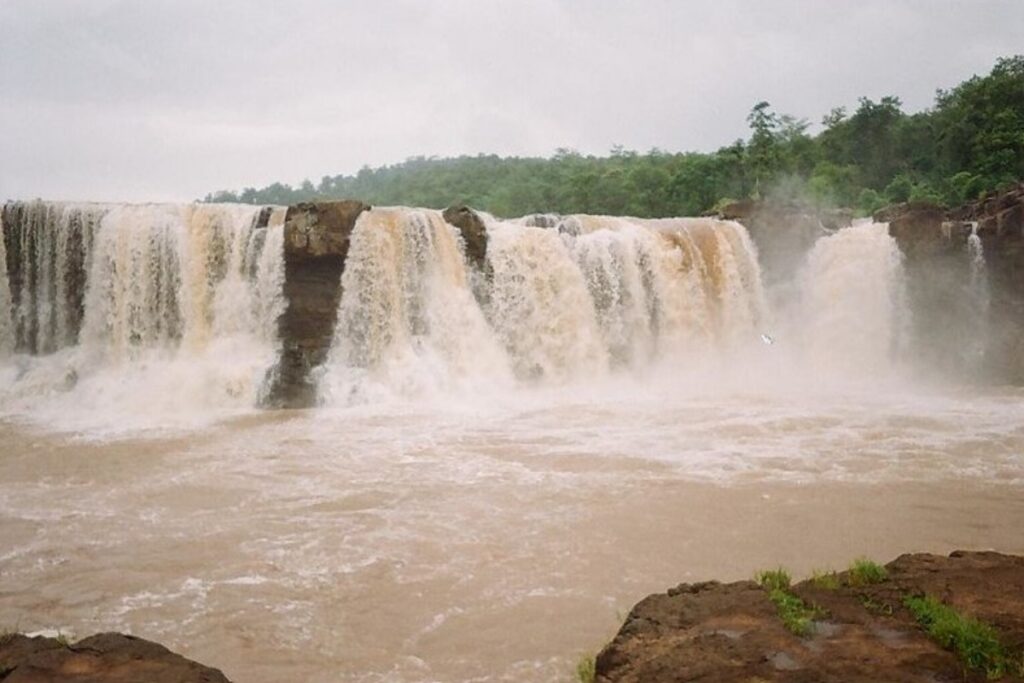
3. Gira Waterfall
Gira Waterfall is one of the best waterfalls near Ahmedabad located around 350 km away from the city. When you take the NE 4 and NE 48 routes from Ahmedabad, you can reach the waterfall within a 350.8 km drive. When you take the NE1 route, you can reach the falls within a 348.8 km drive. You also can take the NE1 and NE48 routes to reach the falls within a 353.2 km drive.
- You can buy affordable bamboo items near the falls
- To get near the falls, you will have to walk for a few metres on rocks
- The best time to visit is immediately after the monsoon season
- You can visit between July and October to get spectacular views of the falls
- You can visit the nearby Vansda National Park and Waghai Botanical Garden during your visit to these falls
- Do not go beyond the rope as it will be slippery
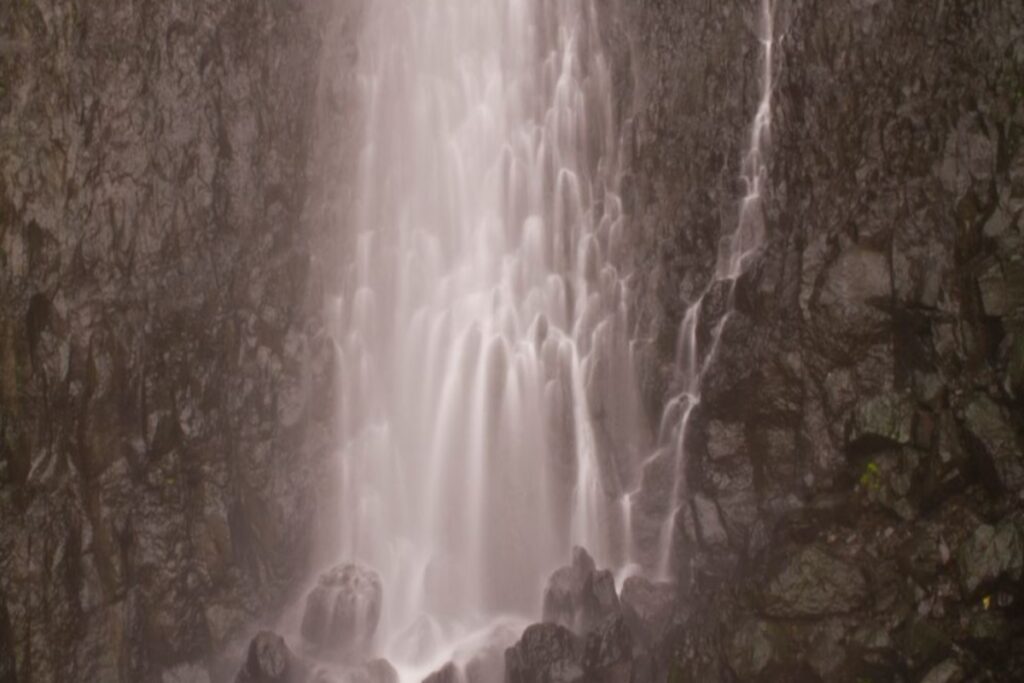
4. Chimer Waterfall
Chimer Waterfall is again one of the best waterfalls near Ahmedabad. When you travel via the NE4 route, you can reach these falls from Ahmedabad within a 351.8 km drive. The 30-meter-tall waterfall is a seasonal beauty. It comes alive during the monsoon. With its misty spray and thunderous roar, these falls attract photographers and tourists alike.
- Monsoon between July and September is the ideal season
- The waterfall is popular for forest trails, trekking and seclusion
- You can get thrilling and adventurous experiences at these falls
- The falls are surrounded by greenery and nature
- You can get stunning views of the falls
- There are no shops near the falls. So, carry water and food
5. Sunsar Waterfall
Sunsar Waterfall is among the best waterfalls near Ahmedabad. When you take the NH 48 route, you can reach the waterfall within a 118.5 km drive. It is a seasonal waterfall located at Bhiloda North Gujarat. During the monsoon season, these falls turn out to be a mini-Kashmir. It is a high Aravalli Mountain. It comes from about 50 to 80 feet in height. August and September are the best seasons to visit these falls. The waterfall does not come from a river or lake. So, it is not worth visiting during dry seasons.
- When you are at these falls, you can visit Bhavnath Temple located around 10 km away.
- You can also visit Gir National Park located near these falls
- Remember that it is crowded during monsoon.
- You will have to walk through the forest trails to reach the falls
6. Barakhadi Waterfall
Barakhadi Waterfall is one of the best waterfalls near Ahmedabad. It is located in the Barakhadi Village. You can reach these falls within a 201.7 km drive from Ahmedabad via the NE1 route. These waterfalls are not very popular. To reach these falls, you will have to ride towards Rajpipla and around 5 km before Rajpipla, you will have to take a turn towards Barakhadi Village from Junvad Village. You will have to park your visit at a school in the Barakhadi Village. With the help of a local, you will have to walk around 15-20 minutes from this school to reach the falls.
- You will have to walk a while to reach the falls from the parking area.
- Once you reach the falls, you will feel that the walk is worth it.
- You will feel nature around you
7. Khuniya Mahadev Waterfall
Khuniya Mahadev Waterfall is one of the waterfalls near Ahmedabad you can plan your visit during a weekend from the city. The waterfall is located behind a Shiva Temple. So, you can get close to nature and experience spirituality when you visit this waterfall. In general, the waterfall is not very crowded. However, people visit in large numbers during the Shravan or Sawan month. They visit the Mahadev temple during this month and so they cover the fall visit as well:
- From Ahmedabad, you can reach these falls within around 4 hour’s drive.
- The waterfall is located around 151.2 km away when you take the NE1 route.
- You can also take the NH47 route from Ahmedabad. In this case, the distance is 162.2 km.
- The best season to visit is during monsoon. Only then can you can see the complete beauty of the waterfall.
8. Polo Forest Waterfall
Located in Vijaynagar in Gujarat, this is one of the best waterfalls near Ahmedabad. Many visitors have appreciated the road conditions that led to these falls from Ahmedabad. So, you can expect a smooth drive from Ahmedabad to this waterfall. On your way to these falls from Ahmedabad, you can find small hills and lakes. So, you can take breaks between your ride when covering a distance of 147.5 km from Ahmedabad.
- You can even spend overnight as the Forest Department provides accommodation near these falls.
- Apart from exploring the forest, you can also visit a Shiva Temple near these falls.
- You can also find a temple for Surya Bhagwan and there is also a Jain temple near the falls
- Also, you can spend some time in the river on which the waterfalls
- Above all, Polo Forst in which the waterfall is located is the home to more than 450 species of medicinal plants, 32 reptiles, 30 mammals and 275 bird species.
9. Ninai Waterfalls
Ninai waterfall is one of the waterfalls near Ahmedabad, you can visit on a weekend. The fall is located around 272.9 km away from Ahmedabad via the NE 1 route. There are two other routes as well from Ahmedabad to reach this fall. Many visitors call these falls a hidden gem. The waterfall is located inside the Shoolpaneshwar Wildlife Sanctuary. Yes, Zirwani Waterfall is also located inside this wildlife sanctuary. So, you can cover both these falls during the same visit from Ahmedabad.
- From the parking area, you will have to walk down to nearly 150 steps to reach the waterfall.
- Near the waterfall, there is a small shop. You cannot find any food items here.
- It is better to carry food when you visit these falls
- Try to visit during the monsoon season to see the falls at their fullest glory.
10. Jamjir Waterfall
Jamjir Waterfall is otherwise called Zamzeer Waterfall. It is one of the best waterfalls near Ahmedabad located in the Saurashtra Region of Gujarat. The excellent thing about this waterfall in comparison with other waterfalls is that evergreen throughout the year. It is on the Shingoda River in the Gir Forest region. From the parking area, you will have to walk a few steps. But, you will feel that the walk is worth it. You can find the Jamdagni Ashram near the falls. You can cook yourself in this ashram. You can explore Gir Jungle during your visit to this waterfall.
- From Ahmedabad, Jamjir Waterfall is located around 393.3 km via the NH51 route
- Make sure to visit the falls post-monsoon to enjoy the falls to the fullest
- The falls are located in the Western Satpura Range of Gujarat
- Within a 2-hour drive from these falls, you can reach the Statue of Unity
- You will have to walk down around 150 cemented steps to reach the falls.
11. Barda Waterfall
Barda Waterfall is one of the best waterfalls near Ahmedabad. You will have to drive for about 366.6 km from Ahmedabad to reach the fall via NE 4 route. You will have to hike for around 30 minutes to reach the falls. Remember that there is no food stall near the falls. So, it is better to carry some nutritious foods. You might be a nature lover or a hiking enthusiast, but this waterfall is not going to disappoint you.
- The best time to visit these falls is between June and January
- From Chunkhal Village, you will have to trek for 30 minutes to reach the falls
- This waterfall is ideal for trekking enthusiasts and also those interested in exploring scenic beauty
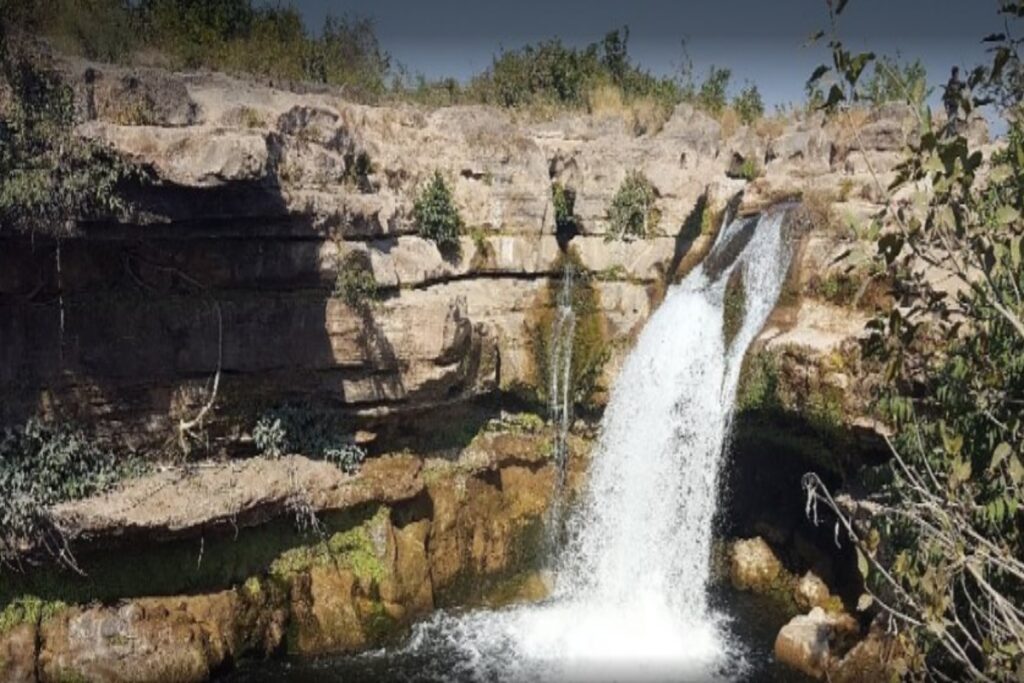
12. Zanzari Waterfall
If you are not ready to travel too long but wish to visit one of the best waterfalls near Ahmedabad, you can choose Zanzari Waterfall. It is a combination of rapids on the Vatrk River. However, the main waterfall flows from a height of 25 feet. This waterfall is not perennial. However, you can expect the water to be in complete flow during monsoon. Even though the stream reduces during summer, you can enjoy the scenic beauty even when you visit in Summer.
- Zanzari Waterfall is located around 74.7 km from Ahmedabad
- You can choose to visit these falls between July and October
- This is an ideal destination for nature lovers and photography enthusiasts.
Conclusion
In addition to these waterfalls near Ahmedabad, you can also consider visiting Girmal and Patalpani Waterfalls. All these waterfalls provide an excellent opportunity to escape from the busy city life of Ahmedabad. However, remember that most waterfalls demand a walk from the parking area. So, if you cannot walk or trek, choose a waterfall that does not need much walking from the parking area. Choosing the season after the monsoon will help you enjoy your trip to any of these waterfalls.
Check out my other posts related to Ahmedabad:
5 Beaches Near Ahmedabad
5 Waterparks in and Near Ahmedabad
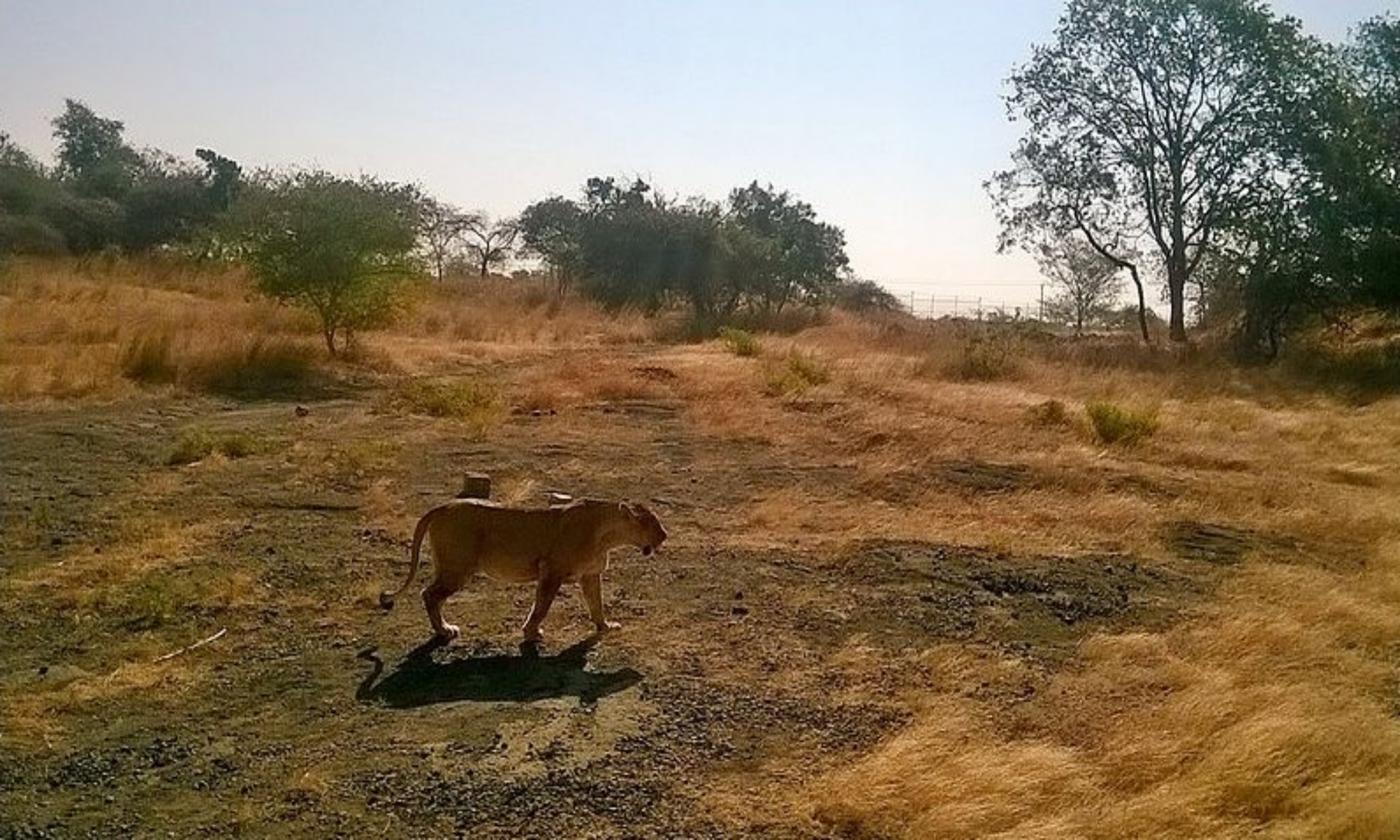
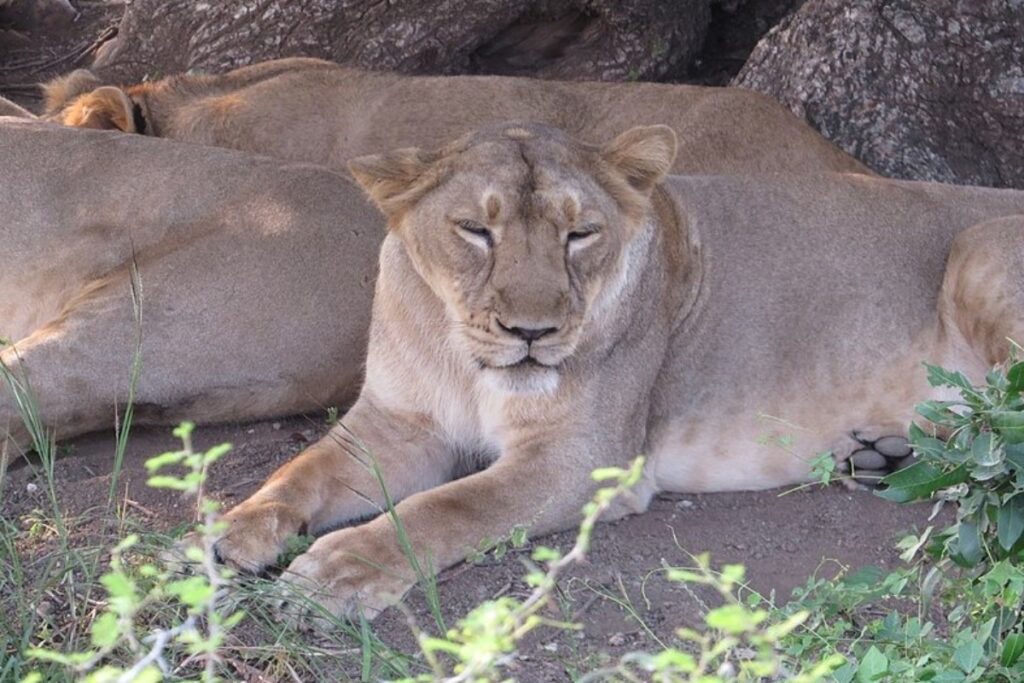
Gir National Park is proud to be the only place outside Africa where you can see lions in their natural habitat. The special thing about this national park is that lions are majestic. They average 2.75 metres in length. Also, they grow with bigger tail tassels and they have bushier elbow tufs. Also, in comparison with African lions, the lions in this national park have prominent belly folds.
Gir National Park – An Introduction
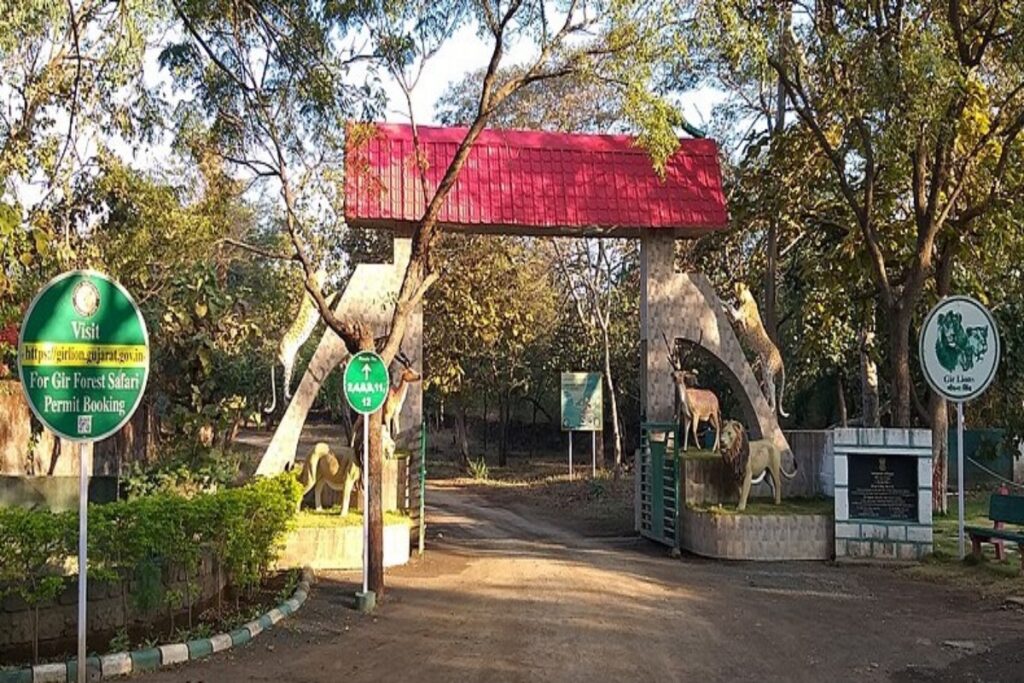
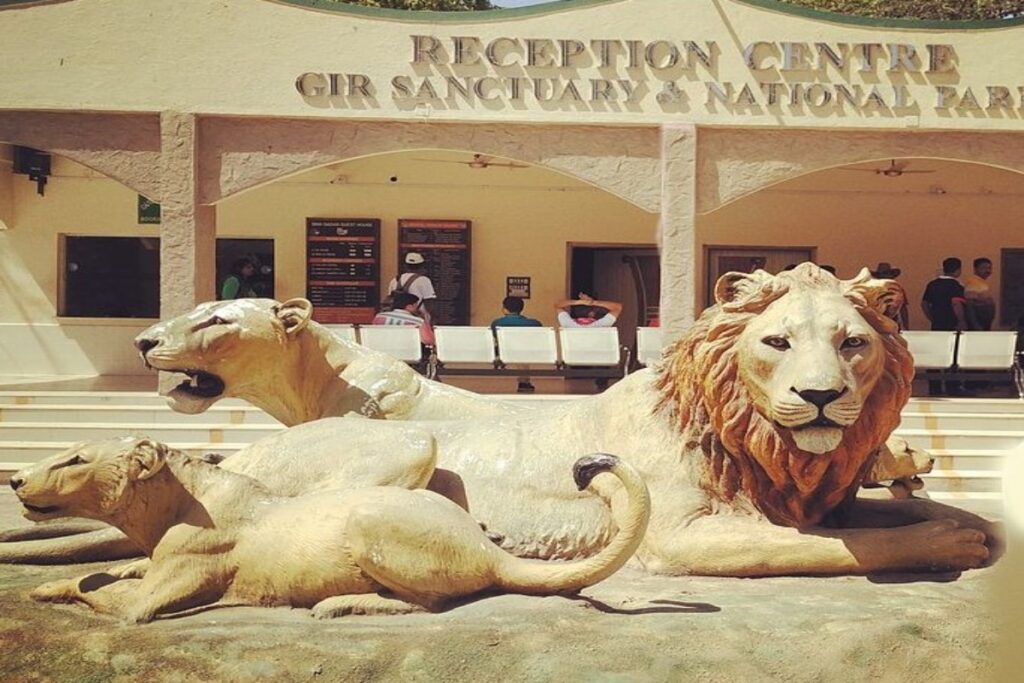
You might have heard that Gir National Park is the only natural habitat in India for Asiatic lions. You can get a chance of close encounter with lions. Understanding its value, the national park offers customized Gir Wild Life Tour Packages. By choosing one of these packages, you can expect to get a great opportunity to watch those majestic creatures Not only lions, the national park is the home to many other elusive wild animals as well.
At Gir located in Gujarat, you can also see rare species of birds like the Asiatic Wild Ass. The national park is called Susan Gir National Park. It attracts a large number of people including hunters, researchers, nature enthusiasts, photographers, wildlife lovers and travellers alike. From this blog, you can learn everything about this national park so that you can plan your trip accordingly:
How to Reach?
You can choose to travel by different modes to reach Gir National Park. Here are some details to know in this regard:
By Bus
To travel by bus, you can reach Ahmedabad, Veraval or Junagadh. The distance from Ahmedabad is 400 km. The bus will travel via Rajkot, Junagadh and Mendarda. From Veraval, the distance is 43 km and from Junagadh, the distance is 65 km. From Junagadh, the bus will travel through Mendarda. From these destinations, public transportation buses are operated to Gir National Park.
By Train
Junagadh and Veraval railway stations are located close to Gir National Park. They are located around the same distance from Gir National Park. Both these railway stations are directly connected to most major railway stations in other cities in India. If you cannot find direct trains from your hometown, you can book tickets to Ahmedabad. Once you are in Ahmedabad, you can take another train to reach Junagadh or Veraval. From the railway station, you can hire a taxi to reach Gir National Park.
By Flight
To travel by flight, you should know about the nearest airport to Gir National Park. It is Rajkot Airport, which is located around 167 km away from the national park. Otherwise, you can choose to visit Bhavnagar Airport, which is located around 193 km from the national park. From the airport, you can hire a cab or travel by public transport to reach the national park.
By Car
You also have the option to travel by car to reach Gir National Park. The distance from Ahmedabad is around 319 km. You can cover this distance by around 9 hours to reach Gir National Park.
So, choose a convenient mode of transportation to reach Gir National Park.
Key Attractions & Things To Do
Key Attractions in Gir National Park
Animals
Indeed, no one can deny the fact that they wish to travel to Gir National Park to get a glimpse of wild animals. The national park is deciduous and dry. It provides a lot of opportunities for Asiatic lions to expand their population.
According to a study conducted in 2015, the whole of Saurashtra region is inhabited by more than 300 leopards and 523 lions. Also, the national park is the home to two different species of deer.
The Gir Forest is the home to sambar deer, which is the largest deer among the Indian varieties. Also, it is the home to Chowsingha. This is nothing but the world’s only four-horned antelope. You can find other smaller carnivores like the Indian fox and striped hyena in this national park.
Birds
With its exotic flora, Gir National Park gives shelter to nearly 430 species of birds. Above all, the Indian Bird Conservation has declared this park as an important bird area.
Gir is the home to raptors some are endangered. For instance, the park is the home to long-billed and white-backed vultures. You can find other variants like the Fish Eagle, greater spotted eagle, crested serpent eagle and changeable hawk-eagle.
Reptiles
It should be stated that Susan Gir is home to more than 40 species of amphibians and reptiles. The national park is the home to a large reservoir called Kamleshwar. Here, you can find marsh crocodiles in large numbers.
You can even find many species of snakes in this park including Russell’s Viper and King Kobra. Even, you can find freshwater turtles and star-tortoise in this park.
Gir Interpretation Zone, Devaliya
Devakiya Safari Park is yet another key attraction that you should not miss out on when visiting Gir National Park. This enclosed region located within Gir is an enclosed region. It provides an opportunity for visitors to experience the wilderness and rustic beauty of the region.
When you are here, do not miss out on taking a safari trip that is organised on a minibus. This safari will take you to another cross-section of Gir. During this safari ride, you will get the opportunity to encounter different varieties of wildlife including Asiatic Lion. This is possible within a 20-30 minute trip.
Things To Do
Now, after knowing about the key attractions in Gir National Park, you will be particular about the top things to do. Here are a few things you can do when you are exploring this national park:
Gir Jungle Trail Safari
This safari trip will keep your fascination wholesome. Yes, you can expect your wilderness to stay alive by taking part in this safari trip. It is the right choice to pamper your soul with its wilderness.
Devalia Safari Park
As I stated above, you should not miss out on participating in the Devalia Safari Park safari, You will experience a lush green feel. You can get along with Asiatic lions during this safari trip. This trip has a lot of wilderness to explore.
Kankai Safari Gir
When you are at Gir, do not miss out on taking Gir Kankal Temple Safari. This temple safari will bring a different spiritual experience amidst the wilderness.
Bird Watching
One of the experiences you should get during your Gir National Park is bird-watching. Yes, with different species of birds available in the national park, it will be an exciting experience with a lot of opportunities to learn about birds.
Best Time & Season To Visit
The Gir National Park has a protected area. This area remains closed from 16th June to 15th October every year. The reason is that the southwest monsoon arrives during this season.
December to March is the best season climatically to visit the Gir National Park.
Indeed, April and May are hot seasons that can make your exploration of the national park hard. Nevertheless, these months are considered the best for wildlife photography and viewing.
The Gir National Park trail remains open for visitors from 6 am to 12 pm. Again, it remains open from 3 pm to 6 pm from Monday to Sunday.
Duration To See
You can spend 2 to 3 days in Gir National Park. Here is how to spend these days in Gir for the best experience:
Day 1
On the first day, you can arrive at the national park. You can check into your accommodation and take some rest. Then, in the evening, you can head to Devaila Park for a safari trip.
Day 2
On the second day, you can take a morning safari. This is the best time to get a chance to see a lion. Also, in the same evening, you can take an evening safari in the areas that you have not explored in the morning.
Day 3
To get the best forest experience, you can again take a morning safari on the third day. But, this time, you can opt for the Devalia Park ring as you would have to take only the evening safari on the first day. Also, you can dedicate the remaining day to exploring Gir Museum and Crocodile Park before heading to your hometown.
Best Restaurants & Cafes Around
- Gir Rajwadi Hotel
- Hotel Aditya
- Rasoi Open Restaurant
- Havmor Havfunn Ice cream Parlor, Somnath
- Athithi Farm
- New Thulasi Family Restaurant
- Blue Coriander Restaurant
- Swadesh Restaurant
- Machan Restaurants
- Hotel Welcome
- Hotel Namaste
- Shiv Ganga Restaurant
- Gir Kesari Restaurant
Where To Stay? Rest Resorts
Here are a few options when it comes to the best resorts near Gir National Park:
- Lion Park Hotel & Resort
- AmraNess
- Pride Resort
- The Brook Ville
- Vanveda Resort Susan
- Carina Retreat Resort
- Amidhara Resort
- Woods at Susan
- Daksh Resort and Amusement Park
- The Fern Gir National Park Crown Collection Resort
- Asiatic Lion Lodge
Entry Fee & Ticket Prices
If you are travelling from India, the entry fee to the Gir National Park will cost you between Rs.800 and Rs.1000. This applies to a group of 6 people. If this group comes with a child, an extra fee of Rs.100 will be applicable. This rule applies to a visit during weekdays.
If you are visiting Gir National Park on festivals or weekends, you have to pay Rs.125 extra for the cost mentioned above.
In the case of foreign nationals, the entry fee will be between Rs.5600 and Rs.7000 for a group containing not more than 6 people on weekdays. For a group of foreigners with a kid, a fee of Rs.1400 will be applicable. However, there can be changes in these rates. So, it is better to check before you visit.
If you take a jungle safari by jeep, you will have to bear a cost of Rs.1700 per gypsy.
For photography, if you carry a camera, you will have to pay Rs.200 extra if you are an Indian. The camera fee applicable to foreigners is Rs.1400.
In case, you are interested in learning more about the different species of birds and animals in this national park, you can hire a guide. This will cost you somewhere between Rs.400 and 700 per guide.
FAQ
Why Should I Visit Gir National Park?
Many valuable things can motivate you to head to Gir National Park. For instance, Gir holds the pride of being the only natural habitat in the world-famous for Asiatic lions. Above all, the national park offers customized packages that will help you watch Asiatic lions along with thousands of other animals and birds that are otherwise hard to find.
How Many Wild Lions are Available in Gir National Park?
According to an August 2017 survey, there were 650 wild lions in the national park. In June 2020, the number increased to 674 lions. This is an increase of 29% in the Asiatic Lion Population present in this national park. It means choosing the right time for a safari ride will provide you with greater opportunities to spot them.
Are Private Vehicles Allowed Inside Gir National Park?
Some private vehicles that operate with petrol as the fuel are permitted inside the Gir National Park. However, you cannot drive your vehicle inside the park; you will be accompanied by a driver and a guide.
Is It Possible To Book Gir Safari Online?
Yes, you can book a jeep safari online at https://www.girnationalpark.in/book-gir-lion-safari.html. On this website, you can find a calendar that will let you choose the appropriate date of visit if available. This website belongs to a private agency that is a registered private travel agency. This agency organizes Gir Jeep safari and tour packages.
Conclusion
I should conclude this blog post by stating that Gir National Par is a treasure trove for wildlife enthusiasts. It is an attraction even for nature enthusiasts. Even, you can get unique cultural experiences in this national park. From birdwatching to spotting wild animals in their natural habitat, Gir has something to offer for everyone. So, you can expect a memorable experience in one of the celebrated national parks in India by planning a visit to Gir National Park.
Also, read my other posts on Gujarat:
All You Need to Know About the Statue of Unity in Gujarat
5 Water Parks In and Near Ahmedabad For Fun and Entertainment
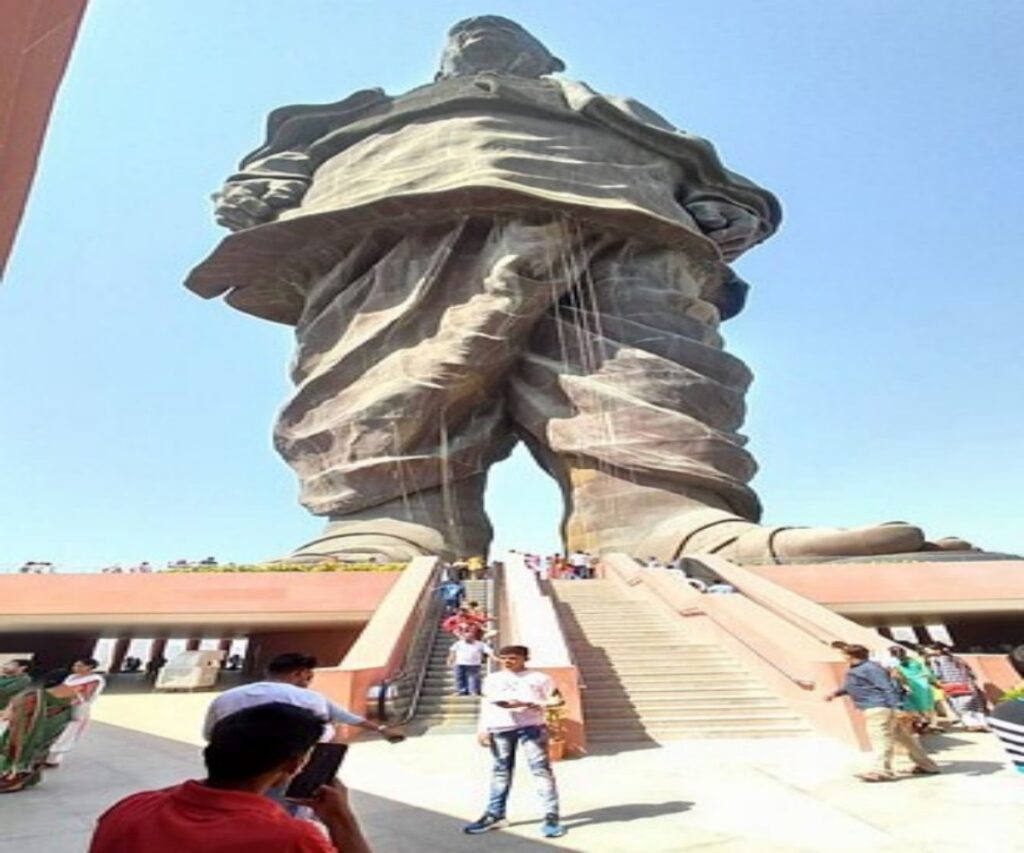
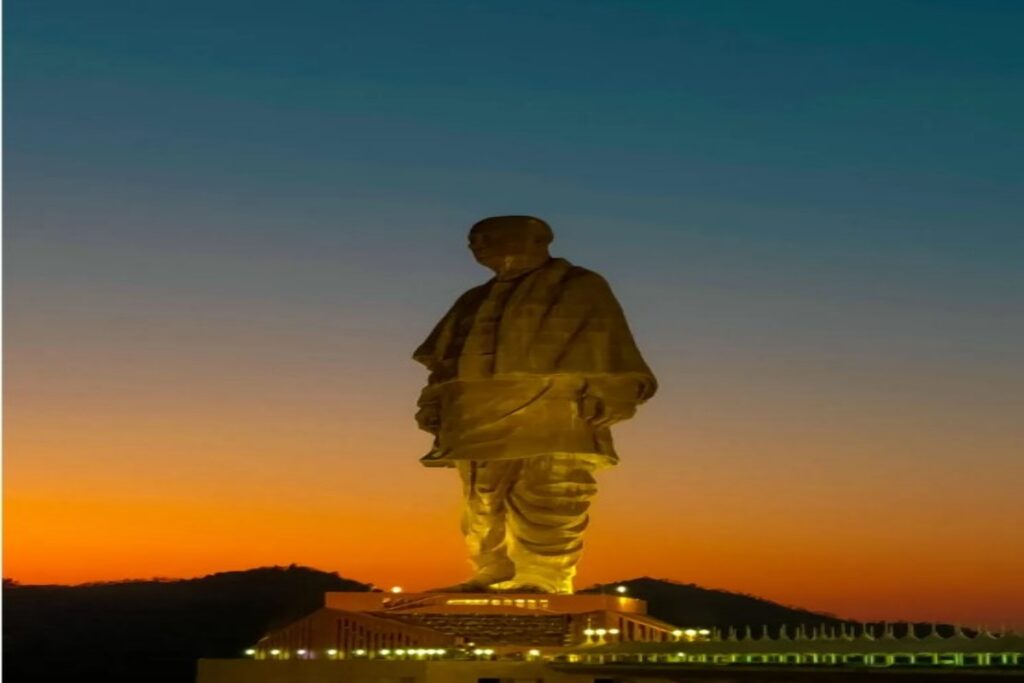
The Statue of Unity stands proudly in Gujarat. This statue has been erected to honour one of India’s great leaders Sardar Vallabhbhai Patel. This leader often called the Iron Man of India has played a considerable role in bringing together the princely Indian states after Indian independence. The statue stands as proof of his indomitable spirit and contributions to the country. Since its erection in 2018, the statue has gained popularity not only across India but also across the world. It is seen as a symbol of an architectural marvel. When you are in Gujarat, you should not miss out on visiting this statue. Read on to gain more insights about the Statue of Unity.
Historical Importance
As mentioned earlier, this statue belongs to Sardar Vallabhbhai Patel. He played a crucial role in shaping modern India. His statue was erected in Gujarat even though he was a national-level leader. The reason for this installation is that he was born in a small town called Nadiad in Gujarat. The date of his birth is 31st October 1875.
Read my post on Gujarat itinerary
Even though Patel played a crucial role in Indian independence, he played a very important role post-independence. He grew up and became one of the crucial people in politics. After coming out of the British Role, India faced a lot of challenges in bringing together 560 princely states into one nation. This effort then was led by Sardar Vallabhbhai Patel the first Minister of Home Affairs and Deputy Prime Minister of India after independence. His astute political knowledge and strategic diplomacy earned him the title of “Iron Man of India”.
Patel had an unwavering commitment towards the unity of India. He played a very key role in safeguarding the territorial integrity of the nation. To value his contributions to the nation, the Statue of Unity was unveiled by the Prime Minister of India Shri Narendra Damodardas Modi.
The Purpose Behind the Statue and Its Conception
The idea of erecting a huge statue for Patel was proposed by Mr Narendra Modi, who is presently the Prime Minister of India. Not only to honour Mr. Patel, the statue was unveiled to stand as a symbol of resilience, strength and unity of India.
Here are a few purposes served by the Statue of Unity:
To Promote Development
The statue was constructed to help achieve economic development in the local region. This becomes possible as it attracts tourists from across India and even abroad. Due to the increase in tourist visits, the local traders in this region and surrounding areas achieve better financial stability.
Educational Resource
There is a museum in the complex of the Sardar Vallabhbhai Patel statue. Even, the complex houses an exhibition hall that is dedicated to educating visitors about the achievements and life of Patel. Also, you can learn about its contributions to India’s freedom struggle.
Tourist Attraction
The Statue of Unity aims to attract visitors from across the world. In turn, it enables tourism in the region. Through Gujarat tourism, this region generates a lot of revenue.
Tribute to National Unity
The statue honours the efforts made by Patel to bring India together after the British left the nation.
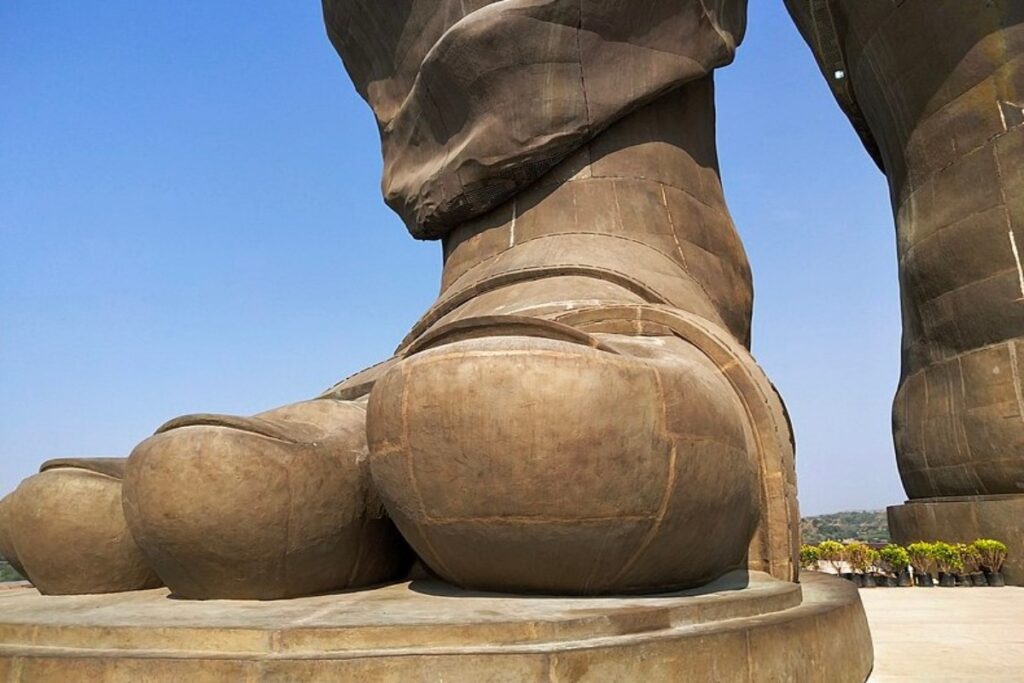
You will be surprised by the Statue of Unity height. The Sardar Patel Statue is 597 feet or 182 metres.
Statue Unveiling and Global Recognition
The inauguration of the Statue of Unity happened on the 31st of October 2018. This day was chosen to celebrate the 143rd Birth Anniversary of Sardar Patel. Sri Narendra Modi unveiled the statue in front of many international leaders and dignitaries. Immediately after its unveiling, the statue gained international recognition for its height by overtaking the Spring Temple Buddha at 153 metres height and the Statue of Liberty at 93 metres height.
The project was completed within a record 33-month period. This quick construction also stands as an example of India’s expertise in handling large-scale infrastructure projects. The statue now stands as a symbol of India’s pride.
How to Reach the Statue of Unity?
Location
Before knowing how to reach the Statue of Unity, you should know where is Statue of Unity first. The location of the statue is on the Sadhu Best Island near the Sardar Sarovar Dam on the Narmada River. The nearest city to this statue is Kevadiya in Gujarat, which is just 3.5 km away from the statue. It is approximately located at a distance of about 25 km from a small town. The name of this town is Kevadiya. The distance from the nearest city Rajpipla is 25 km and from Vadodara, it is 90 km away. Surat and Ahmedabad are other popular cities in Gujarat. From these cities, the statue is located around 150 km and 200 km respectively.
From Ahmedabad
Car
If you are travelling from Ahmedabad, you can travel by car to reach the Statue of Unity. As the Ahmedabad to Statue of Unity distance is around 200 km, you can self-drive with ease.
- The distance by road is 197.9 km via the NE1 route
- If you take the NE1 and NH56 route, the distance is 242.5 km
If you are not coming by your car, you can hire a taxi as well.
Bus
The Gujarat State Road Transport Corporation runs regular buses from Ahmedabad. You can take direct buses from Ahmedabad to Kevadiya, where the statue is located. For bus timings, availability and other details, you can check the GSRTC website.
Train
There is no direct Ahmedabad to Statue of Unity train. So, if you prefer a train journey, you can travel from Ahmedabad to Vadodara. Then, you can take a connecting train from Vadodara to Kevadiya. Otherwise, you can travel by bus from Vadodara to reach the Statue of Unity.
In short, the Statue of Unity distance from Ahmedabad is 200 km. You can choose one of these modes to travel from Ahmedabad to Statue of Unity. The Statue of Unity’s distance from Ahmedabad is easily covered by self-driving from Ahmedabad if you are staying in this city.
From Vadodara
By Car
If you are travelling from Vadodara to explore the Statue of Unity in Gujarat, you can travel by car. Vadodara to Statue of Unity distance is around 90.2 km via Gujarat State Highway 11 and 63. When you take the Gujarat State Highway 11 alone, you can reach the statue in around 102.7 km drive.
By Bus
You can find state-run buses from Vadodara to Kevadiya. This is the most affordable and convenient mode of transportation as well. The travel will be around 2 to 3 hours. Buses connect these two places frequently. Based on the type of bus you choose, the ticket price might differ from INR 150 to 200 per person. So, if you are a budget traveller, you can try reaching the Statue of Unity by bus from Vadodara.
By Train
You can travel by train from Vadodara to Ekta Nagar Railway Station in Kevadiya. The Statue of Unity nearest railway station is Ekta Nagar Railway Station. The following trains connect these two railway stations:
- Jan Shatabdi Express starts from Vadodara at 9.18 am daily and reaches Ekta Nagar by 10.40 am. So, within around one and a half hours, you can reach Ekta Nagar Railway Station by this train.
- DDR EKNR SF Express starts at 5.45 am in Vadodara and reaches Ekta Nagar Railway Station by 7.24 am on all days from Monday to Sunday. By this train, you can reach Ekta Nagar within around 1 hour and 40 minutes.
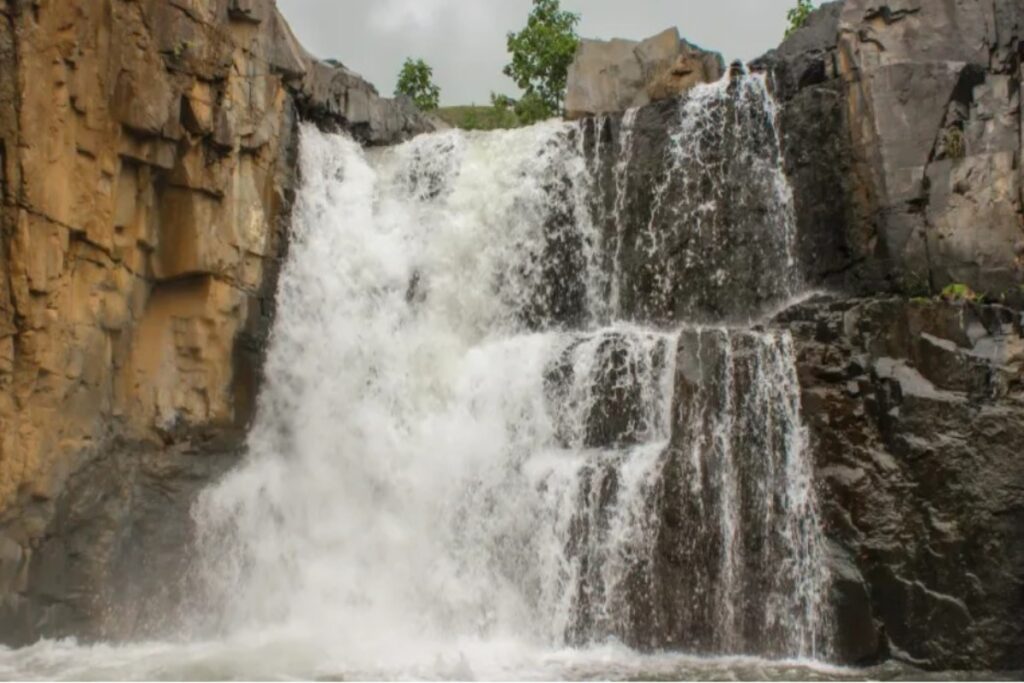
From Ekta Nagar, the Statue of Unity is located at a distance of 7.7 km. You can hire an auto or taxi to cover this distance. You can choose one of these modes to travel from Vadodara to the Statue of Unity.
From Surat
By Car
From Surat, the Statue of Unity is located at around 160 km. Now, you know the Surat to Statue of Unity distance. So, you can easily cover this distance by car. If you have your vehicle, you can choose one of these routes to reach the Statue of Unity:
- The distance is 159.9 km when you choose the National Highway 48 and Gujarat State Highway 64 route.
- You will have to ride for 157.2 km if you choose to travel by NH 48. GJ SH 64 and National Highway 56.
By Train
If you prefer a train trip from Surat to Ekta Nagar, you can choose one of these trains to travel from Surat to Ekta Nagar Railway Station:
- DDR EKNR SF Express runs on all days. It starts from Surat at 3.40 am and reaches Ekta Nagar by 7.25 am. The travel time is three hours and 45 minutes.
- MAS EKNR SF Express runs on Mondays. This train starts at 11.22 pm in Surat and reaches Ekta Nagar Railway Station by 2.40 am on Tuesdays. The travel time is around three hours and 18 minutes.
- EKNR Mahamana Express runs on Fridays. This train starts from Surat at 5.18 am and reaches Ekta Nagar Railway Station by 9 am. The travel time is around three hours and 42 minutes. This train runs on Sundays as well. On Sundays, the train starts in Surat at 1.55 pm to reaches Ekta Nagar by 5.40 pm with a travel time of three hours and 45 minutes.
By Bus
Many private operates run buses from Vadodara to the Statue of Unity. If you prefer, you can choose to book a bus. Even, one-day trips are operated between Surat and the statue.
Key Attractions and Things To Do At the Statue of Unity
A visit to the Statue of Unity is undoubtedly a historical experience. More than the huge structure, you will marvel at a lot of things to do and key attractions around this statue. Particularly, the complex around the statue has been designed to provide an entertaining, educational and rich experience to tourists. Here are a few attractions you should not miss out on:
- Museum and exhibition hall
- Viewing Gallery
- Valley of flowers
- Sardar Sarovar Dam and River Cruise
- Laser light and sound show
So, more than just the Statue of Unity, you have a lot of entertainment aspects around the statue to feel immersed making your visit worthwhile.
Read my post on things to do in Gujarat
Best Time and Season to Visit the Statue of Unity
The best time or season to visit the Statue of Unity is between October and February. The reason is that the weather during this season will be pleasant. You can comfortably spend hours outdoors and buy Statue of Unity photos.
Duration to See the Statue of Unity
The time you can spend at the Statue of Unity depends on how many other sites you wish to explore.
- One Day: A day trip is sufficient if you wish to visit the statue alone
- Two to Three Days: If you wish to explore other nearby attractions, you will need at least 2 to 3 days.
- Longer: To cover all activities and points, some even spend more than three days during their trip to the Statue of Unity.
Best Restaurants and Cafes Near the Statue of Unity
Here are a few cafes and restaurants near Sardar Patel Statue:
- Pramukh Food Way
- Pizzawala’s Sou
- Saffron Restaurant
- Sankalp
- Ekta Food Court
- Satkar Restaurant And Cafe
- Maa Narmada Restaurant And Cafe
- Pizzawala’s
Entry Fee and Ticket Prices
The entry fee for the Statue of Unity is INR 150 for Indian adults. The Statue of Unity tickets for children is INR 90 for kids between 3 and 15 years. Children below three years are permitted to enter for free. This ticket cost includes access to the Valley of Flowers, the Audiovisual gallery, the observation deck, the memorial and the Museum. You also have the option to pay an additional fee to access the observatory point. For foreigners, the entry fee is INR 225 for adults and INR 150 for kids.
FAQ
Which is the Best Resort Near the Statue of Unity?
Ramada Statue of Unity is a popular resort near Statue of Unity. Even, you can find other resorts like:
- Karbhari Resort
- Maharaja Tent Resort
- Unity Holiday Resort
- Vrundavan Homestay and Village Resort
- Statue of Unity Eco Camp
- Unity Tent Resort
- The Royal Heritage Tent Resort
- Statue of Unity Tent City 1
- Nirvana Resort and Restaurant
- The Fern Sardar Sarovar Resort
- River View Tent Resort
- Tent City Narmada
Is the Statue of Unity Open On All Days?
No, the entry to the Sardar Vallabhbhai Patel statue is restricted on Mondays. You can visit on all other days.
Is it Possible to Reach the Statue of Unity by Flight?
Yes, you can travel from your city to Vadodara by flight. From Vadodara, you can travel to the statue either by road or by train.
Check out my other posts on Gujarat
12 Waterfalls Near Ahmedabad for a Drenching Experience
A Detailed Guide to Visiting Rann of Kutch
Adalaj ni Vav – Stepwell in Ahmedabad
An Avian Affair at Nal Sarovar with a Dash of Nostalgia
5 Water Parks In and Near Ahmedabad For Fun and Entertainment
Set in the quaint little village of Adalaj, the Adalaj-ni-vav-stepwell has been a popular destination amongst travelers for centuries. This magnificent structure was constructed by King Veer Singh, the Vaghela Chief and his wife Rudabai in 1499. The rules of Vaghela had firm control over Gujarat but only for a short time. They were the last Hindu monarchs to rule the region before the Muslim invasion. Medieval pieces of literature describe Vaghela kings as Agnivanshi Rajputs.
The Adalaj-ni-vav-stepwell was not just a utilitarian or cultural space but was also believed to be a spiritual refuge. The villagers would visit the stepwell every day not just to fill water but also to offer prayers to the deities carved on the walls. They also interacted with other locals sitting under the cool shade of the vav.
Adalaj-ni-vav-stepwell – An Extraordinary Structure
pixabay
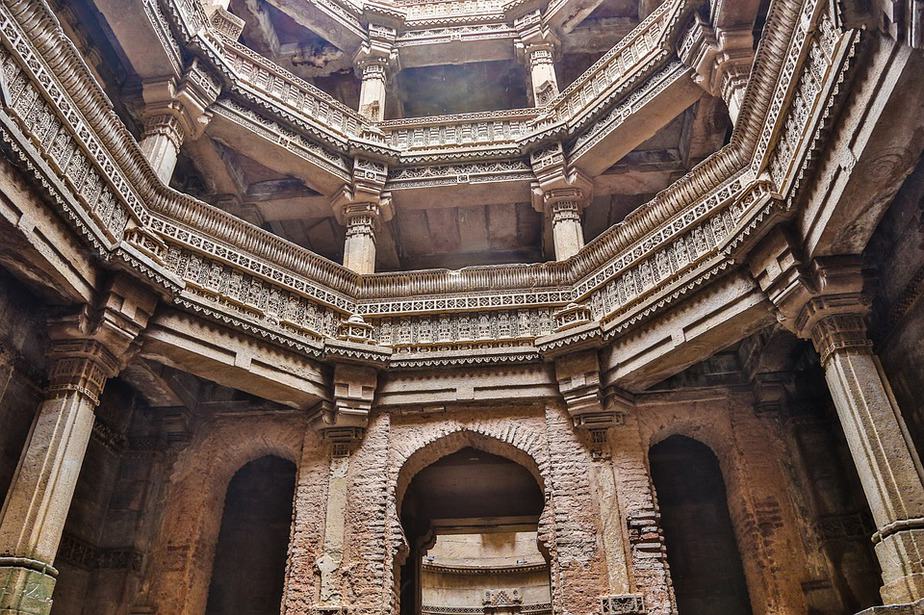
This beautiful structure descends five stories deep. There is an opening which allows light and air to enter the octagonal well. The sunlight does not touch the steps or the landing except for a brief period during noon. As per a few researchers, the temperature inside is six degrees cooler than its surroundings. This is one of the few step-wells in Gujarat having three entrance stairs.
The Adalaj stepwell is a spectacular example of Indo-Islamic design and architecture. The intricate floral patterns seam flawlessly into Jain and Hindu symbolism. This embodies ethos and culture prevalent during the period. The fifth floor is absolutely stunning. It offers the views of turquoise waters of the well that seems to flow with the inner light. The astonishing beauty surrounding the well is truly mesmerizing.
heritageofahmedabad
As you descend down, you will find the air growing cooler. The stepwell doesn’t allow harsh sunlight inside. The architecture was also meant to provide refuge to travelers and pilgrim. It has enough space to accommodate people on each level. The town of Adalaj was a trade route and this stepwell undoubtedly benefitted the travelers passing by.
The entire structure has been designed from sandstone. It is octagonal in shape if you look at the design from the top. It has been built on numerous pillars that have been intricately carved. It was dug deeper to access groundwater even despite fluctuations in water level in the region. The light and air vents are in the form of large openings across all levels. There are three staircases from the first level that lead visitors to the bottom.
zigya
The entrance to this structure is from the South. The staircases that provide entry into this stepwell are from east, west and south directions. There are four small rooms in the structure that have been decorated with intricately carved brackets. These are present at the four corners. At the bottom, you can notice a stepped floor square in shape. It funnels down to the lowest plane allowing the visitors access to water. The four corners are strengthened with stone beams and each beam has been set at forty-five degrees angle.
commons.wikimedia
The carvings are simply captivating. On the upper floors, you can notice the dominant carvings of elephants. You can notice other carvings of women performing chores, adorning themselves. There are also carvings of performance of musicians and dancers. There is also a carving of a king overlooking these activities. The interesting depiction of carvings is the structure carved out of a single bock. It features Ami Khumbor which is considered to be pot that consists of water of life. You can also find carvings of Kalp Vriksha, which is believed to be tree of life.
The Tragic Tale of Adalaj-ni-vav-stepwell
It is not just the architecture of this well that is truly enchanting. The tale of its creation is equally enthralling. It is full of war, love, devotion, and betrayal. The Adalaj-ni-vav-stepwell was started by Rana Veer Singh and his wife to offer relief to the people of the arid region. Before the construction of this stepwell completed, he had to defend his region against Muslim ruler King Mehmud Begada. Veer Singh was killed in the battle. The invading ruler Mehmud fell in love with the widow of Veer Singh, Rudabai. The queen agreed to marry the Muslim ruler only on the condition that he finished the work of stepwell started by her deceased husband.
King Mehmud Begada accepted her request and completed the pending work on the stepwell. This is the reason why the structure features Solanki style of architecture which has a blend of both Hindu and Islamic styles. The tragic tale didn’t end there. Queen Rudabai threw herself into the well and killed herself. She never had the intention of marrying King Mehmud. She just wanted the work on stepwell completed.
ashaval
King Mehmud was disheartened after Rudabai’s death but did not destroy the structure in angst. It still remains intact 500 years later. You can see scenes from everyday life carved on the walls such as women churning butter and a king sitting on the throne. You can also see Nava Graha (nine planets) carvings on the structure. It is believed that still protects the stepwell from evil eyes. The depiction of nine planets is believed to attract villagers for worship during any ritualistic ceremonies and also marriage. The nine planets hold special significance in Hindu scriptures. There are still temples dedicated to the nine planets all over the Indian subcontinent.
As per recordings in old scriptures, Rani Rudabai requested the saints to take bath in the stepwell to purify it and relieve her of her sins before jumping into the well. There is yet another record of presence of six tombs near the well. These tombs belonged to the masons who built this structure. Mahmud Begada asked the masons if they could build a similar structure. He sentenced them to death after they agreed. He was smitten with architectural excellence and did not want anybody to replicate it.
Adalaj-ni-vav-stepwell – Info for visitors
rediscoveryproject
Adalaj Ni Vav is situated in Adalaj village near Gandhinagar which is the capital of Gujarat State in India. You need to travel 10 kilometers from the state capital to reach this stepwell. You can either take a taxi or public transport to reach this well which is open from 6 am to 6 pm for visitors. There is no entry ticket needed from entering this mesmerizing structure. You can also reach this site while exploring the buzzling city of Ahmedabad in the state of Gujarat. It is situated 18 km from Ahmedabad.
Check out my post on All You Need to Know About the Statue of Unity in Gujarat. Also, do check out my post on 5 Water Parks In and Near Ahmedabad For Fun and Entertainment.
Delhi has its own charm! A haven for foodies, Delhi also appealed to the history lover in me. If you are also a fan of ancient architecture and history, Delhi is a city which will never stop amusing you. Steeped in history, all the below mentioned historical monuments in Delhi and around would be worth visiting. These are certainly some of the best things to do in Delhi if you are a heritage aficionado.
- Red Fort
This huge red sandstone fort which stands a testimony to the Mughal Empire that flourished in the past in Delhi was built by Shah Jahan. The fort took a decade for the construction and was completed in 1638. The Red Fort is octagonal in shape and has delicate and attractive flower decorations on its walls. Calligraphy also adorns the walls of the fort. This is a UNESCO World Heritage Site and is spread over an area of 254.67 acres. The fort comprises of other architectural structures Diwan-e-Aam, the Moti Masjid, the Hayat Baksh Bagh and the Diwan-e-Khas. The Red fort was constructed when the Emperor decided to shift the base of the empire from Agra and make Delhi as the capital. It was the residence of the Mughal dynasty for nearly 200 years till 1857. Red Fort is part of my 4-day Delhi itinerary as well.
(Historical Monuments in Delhi – Red Fort)
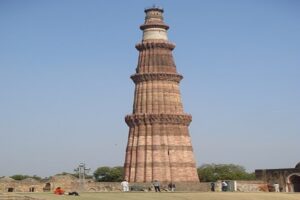
2. Qutub Minar
The construction of this historical monument was started by Qutubuddin Aibak and stands 73 meters tall. it is the world’s highest minaret that is made from rubbles and masonry. The tower is built of red sandstone. Decorated with delicate carvings, this tower has verses of the Holy Quran inscribed on some portions.

3. Humayun’s Tomb
This tomb is dedicated to Mughal Emperor Humayun. It was built by Empress Bega Begum who was the first wife of the Mughal Emperor. The tomb was constructed in 1569-70 and was designed by the Persian architect Mirak Mirza Ghiyas. The tomb is the first garden-tomb in our country. It is situated in Nizamuddin East in Delhi. The tomb has been approved as UNESCO World Heritage Site in the year 1993.

- Safdarjung’s Tomb
This tomb is the tomb of Safdarjung and is the last garden tomb in the city. It was constructed by Shuja-Ud-Daula who was the son of Safdarjung. It was built during 1753-54. The mausoleum consists of Madrasa and other small historical buildings like Jangli Mahal, Badshah Pasand, and Moti Mahal. The place also includes a library that is managed by the archeological survey of India. The tomb also includes fountains and ponds that adorn the monument. It has been constructed using the red sandstone and also has a dome which is made up of white marble. The tomb has been crafted on an elevated platform. The entrance to the tomb is from the east side and includes large walkways on the other 3 sides.

- Parliament House
Also called as Sansad Bhavan, this building is situated at the end of the Sansad Marg. This iconic structure is located in New Delhi and was the layout was prepared by British architects Herbert Baker and Edwin Lutyens. The Parliament House was inaugurated by the then Governor-General of India, Lord Irwin in the year 1972. This is the building where the Constitution of India was created. It was drafted in the Central Hall which is a vital part of the structure. The building includes Rajya Sabha, Lok Sabha, and a library hall. The Parliament House also accommodates important officers of both the houses, ministers, Chairmen and Parliamentary Committees. It also has a high-tech museum that is complete with audio and video effects, big interactive computer screens and virtual screens.
- Rashtrapati Bhavan
Earlier known as the Viceroy’s House, this is the official residence of the President of India. It is situated at the West end of Rajpath in New Delhi, India. It is the biggest residence of a head of the country in the world. The mansion is four-storeyed and has 340 rooms. It is spread across an area of 130 hectares of land. The building also has huge Mughal Gardens, enormous open spaces, residential places of the staff and bodyguards, different offices and utilities as well as stables. The Rashtrapati Bhavan includes several halls and has a Dome on its top.

- India Gate
India Gate is located in New Delhi and is one of the most renowned historical monuments of the city. It is actually a war memorial that is dedicated to around 82000 soldiers who lost their lives during the First World War in the period 1914-21. The monument also has other memorial Amar Jawan Jyoti which has been built as a mark of respect for the soldiers who gave their lives during the 1971 Indo-Pakistan war. The monument was opened for display in1933. The monument is surrounded by green lawns and fountains. The historical monument was designed by Sir Edwin Lutyens.

- Jama Masjid
Jama Masjid is also known by the name of Masjid-I Jahan-Numa and is among the biggest mosques in India. The Masjid is situated in Old Delhi and was built by Mughal Emperor Shah Jahan in the period 1644-1656. The magnificent structure contains a big courtyard that has a capacity of 25000 worshippers. The place also has other artifacts which also include an old copy of the Holy Quran which has been carved on deer skin. The main hall where prayers are held is decorated with 3 round and flat domes. The entrance to the Jama Masjid is beautified using high arches that cover the mihrab. The mosque also has a pool at the center. The monument is surrounded minarets on its four sides which are of white and red color. The Masjid also has a small shrine dedicated to Prophet Muhammad and includes his artifacts such as sandals, footprints on a marble slab and red hairs from the beard.

- Lodi Gardens
This famous ancient park is spread over an area of 90 acres and is a popular destination that is frequently visited by localities and tourists. The park was earlier known as Lady Willingdon Park but was later renamed to its current name owing to the architectural and historical significance. The park contains various monuments such as Tomb of Sikander Lodi, Mohammed Shah’s Tomb, Bara Gumbad, Shisha Gumbad and other architectural buildings of the 15th century. The Lodi Gardens is now a well-protected site and is maintained by the ASI (Archeological Survey of India).
(Historical Monuments in Delhi – Lodi gardens)
- Jantar Mantar
This equinoctial sundial was built by Maharaja Jai Singh of Jaipur in 1724.The monument is like an observatory that helps in predicting the movement and time of the celestial bodies like the moon, the sun, and other planets. The monument contains different instruments that help in predicting astronomical events such as Mishra Yantra, Jayaprakash Yantra, and Samrat Yatra. Similar monuments have been constructed by the king in other places namely Mathura, Ujjain, Varanasi, and Jaipur.

- Alai Darwaja
This is a magnificent gate in the historical monument, Qutub Minar.It was built by Allaudin Khilji who was the Sultan of Delhi in 1311 AD. The Alai Darwaja has a dome-shaped entrance which has been built using red sandstone and is decorated with the white marble. The carvings on the walls of the structure are engraved with Nashk script and the building was built by Turkish craftsmen. It is built according to Islamic architectural style. This was one of the most vital structures and it added to the beauty of the Quwwat-ul-Islam Mosque. This particular building was constructed to add more attractiveness to the Qutub Minar complex.
(Historical Monuments in Delhi -Alai Darwaza)
- Purana Qila
This is one of the ancient forts in our country. The Purana Qila was built by Sher Shah Suri who was an Afghan King. The fort was assumed to be the capital of the Pandavas kingdom, Indraprastha. The height of the walls is 18 meters and its width is 1.5 km. The old fort has three main doors that are used as an entrance. Out of the three, Bada Darwaja is on the west faced, the southern gate is called as Humayun gate while the third gate is known as Talaqi Gate or forbidden gate.

- Agrasen ki Baoli
This historical monument is known by the name Ugrasen ki Baoli is a renowned step well and is safeguarded by ASI – Archeological Survey of India. This place is situated near Connaught Place, Delhi. This historical monument is located in the Hailey Road and is 60 meters long whereas its width is 15-meter.The step well has 103 steps which are made from red stones. There is no record of the facts as to who built this place. It is said that the monument was construction was started by King Agrasen and was restored by the Agrawal community in the 14th century. The step well is now a dry reservoir and is said to be one of the most haunted places in India.
Read on post dedicated to Agrasen Ki Baoli for more detailed information.

- Ajmeri Gate
This historical structure represents the site that marks India’s first war of independence in 1957. It is situated in Chandni Chowk and the place is said this particular name because the road from the gate leads to a city in Rajasthan named Ajmer. The gate has a madrasa which was constructed by Nawab Ghaziuddin Bahadur and a park in its neighborhood. Although most of the part of the gate has been demolished due to urbanization, the west side of the gate still stands tall. The gate usually remains in locked state.

- Tughlaqabad Fort
This ruined fort is another popular tourist spot and was constructed by Ghiyas-ud-din-Tughlaq who established the Tughlaq dynasty. The fort is stretched over an area of 6 km that is surrounded by huge stone defense walls and contains numerous monuments. This historic monument is now an abandoned place in 1327.
(Historical Monuments in Delhi – Tughlaqabad Fort)
- Khirki Masjid
Built in the 15th century AD by Khan-I-Jahan Junan Shah, this is a distinct mosque in Delhi that was constructed at the time of Tughlaq Empire. The literal meaning of the word Khirki is The Masjid of Windows. The mosque is quadrangular-shaped and was initially constructed as a fortress. The uniqueness of its design is that it is the only mosque which is entirely covered on the roof side.

17. Tomb of Imam Zamin
Situated near the Alai Darwaja in the Qutub complex, this building was built by Imam Zamin. He was a saint who came from Turkestan who had shifted his base to India in 1500 AD. The saint is said to have built his own tomb in which he was later cremated when he died in 1538.The tomb is small in size, has a dome and is made up of sandstone. The monument is said to have an octagonal base. The interiors of the structure are made of white plaster that is highly polished and also has intricate jaali designs as a part of the decorations.
(Historical Monuments in Delhi – Tomb of Imran Zamin)
18. Isa Khan’s Tomb
This mausoleum is situated in the neighborhood of Humayun’s tomb and was constructed during the period 1562-1571. The architectural style of the tomb has a striking resemblance to the other tombs that were built at the time of the Sur Dynasty. It is a garden style tomb. The beautiful tomb has been constructed with polished tiles, lattice windows, many verandahs and canopies that are supported by pillars. It is said to be one of the best garden style tombs in the country.

19. Ashok Pillar
This 7-meter high pillar is a well-known tourist attraction in Delhi. The pillar is located in Qutab complex and has been built with metals that are resistant to rust and corrosion. The pillar is estimated to be of 6000 kg and is said to have been built by one of the monarchs belonging to the Gupta dynasty. It is said that the Ashoka pillar was constructed by Chandragupta II Vikramaditya and has 98 percent of iron as its main component. The pillar is evidence of the high skill levels achieved by ironsmiths of ancient India.

How many of these monuments have you visited? Let me know in the comments below!
Why You Should Dive into Delhi’s Past? A Journey Through History’s Echoes
Now, you know about the best monuments in Delhi. However, you might wonder why you should visit the best monuments in Delhi India when there are other places to explore in the capital city. Here are some reasons to explore monuments Delhi:
Delhi, a city pulsating with modern energy, hides a treasure trove of ancient stories within its historical monuments. Beyond the bustling streets and towering skyscrapers, these magnificent structures stand as silent witnesses to a rich tapestry of empires, dynasties, and cultural influences. So, why should you embark on a journey back in time through these historical places Delhi?
1. Unveil the Layers of History
Delhi’s historical monuments are not just bricks and mortar; they are tangible threads connecting you to the city’s past. Step into the Red Fort, once the seat of the Mughal Empire, and imagine the grandeur of emperors holding court. Wander through the Qutab Minar, a towering testament to architectural prowess, and feel the whispers of centuries gone by. There are many historical places in Delhi. Each monument holds a unique story, waiting to be unravelled.
2. Witness the Evolution of Architecture
From the intricate carvings of the Red Fort to the geometric perfection of Humayun’s Tomb, Delhi’s historical monuments showcase a fascinating evolution of architectural styles. Each era has left its mark, reflecting influences from Hindu, Mughal, and even Persian traditions. By exploring these structures in different monuments in Delhi, you gain an appreciation for the artistic genius and engineering marvels of different times.
3. Immerse Yourself in Cultural Tapestry
Monuments in Delhi India are not isolated entities; they are woven into the city’s cultural fabric. Visit the Jama Masjid, one of India’s largest mosques, and experience the vibrant Muslim heritage. Explore the serene Lodhi Gardens, where Mughal rulers once strolled, and soak in the peaceful atmosphere. Witnessing these monuments allows you to understand the diverse communities that shaped Delhi’s history and enrich its present.
4. Step into the Lives of Kings and Queens
Imagine the opulent courtrooms of the Mughal emperors, the whispers of palace intrigues, and the daily lives of the inhabitants. Each monument holds within its walls stories of powerful rulers, talented artisans, and ordinary people who lived through tumultuous times. By exploring these monuments Delhi, you can connect with the human stories etched in stone, gaining a deeper understanding of the past.
5. Find Inspiration and Learning
Historical places Delhi are not mere tourist attractions; they are potent learning resources. Visit the National Museum and delve into India’s rich heritage through artefacts and exhibits. Explore the Jantar Mantar, an astronomical observatory, and marvel at the scientific advancements of the past. These monuments offer opportunities to learn about different disciplines, from history and art to science and technology.
6. Experience the Power of Photography
With their intricate details, majestic scale, and evocative atmosphere, historical places in Delhi are the photographer’s paradises. Capture the golden light setting on the Red Fort, the symmetrical beauty of Humayun’s Tomb, or the bustling life around Jama Masjid. These monuments provide endless opportunities to unleash your creativity and capture the essence of Delhi’s past in stunning visuals.
7. Escape the Ordinary and Find Tranquility
Amidst the hustle and bustle of Delhi, monuments in Delhi offer oases of serenity. Wander through the serene gardens of Humayun’s Tomb, listen to the melodious calls of birds at the Mehrauli Archaeological Park, or simply sit in the shadow of the Qutub Minar and soak in the historical ambience. These moments of peace and reflection can be a welcome respite from the city’s chaos.
8. Connect with Your Heritage
Whether you’re a history buff or simply curious about your roots, monuments in Delhi India offer a chance to connect with your heritage. Explore the monuments built by your ancestors, understand the cultural influences that shaped your background, and feel a sense of belonging to a larger historical narrative.
9. Support Local Communities and Craftsmanship
By visiting monuments Delhi and engaging with local guides, you contribute to the preservation of this rich heritage and support the communities that maintain these structures. You also encourage traditional crafts and skills used in restoration work, ensuring these legacies live on for future generations.
10. Create Lasting Memories
Exploring historical places Delhi is not just a sightseeing trip; it’s an experience that creates lasting memories. Imagine sharing stories about your adventures with future generations, sparking their curiosity and inspiring them to explore their own history. These monuments become more than just structures; they become cherished landmarks in your journey of discovery.
So, the next time you find yourself in Delhi, remember that beyond the modern cityscape lies a treasure trove of historical places in Delhi waiting to be explored. Embrace the opportunity to travel through time, connect with the past, and create memories that will enrich your understanding of Delhi, yourself, and the world around you.
Also read my post on Delhi Metro Map
Great places to travel on weekends from Delhi
9 Most Recommended Destinations Around Delhi
7 Places to visit near Delhi to Experience Snowfall
5 Water Parks in and near Delhi for The Best Weekend Getaway from The Capital City